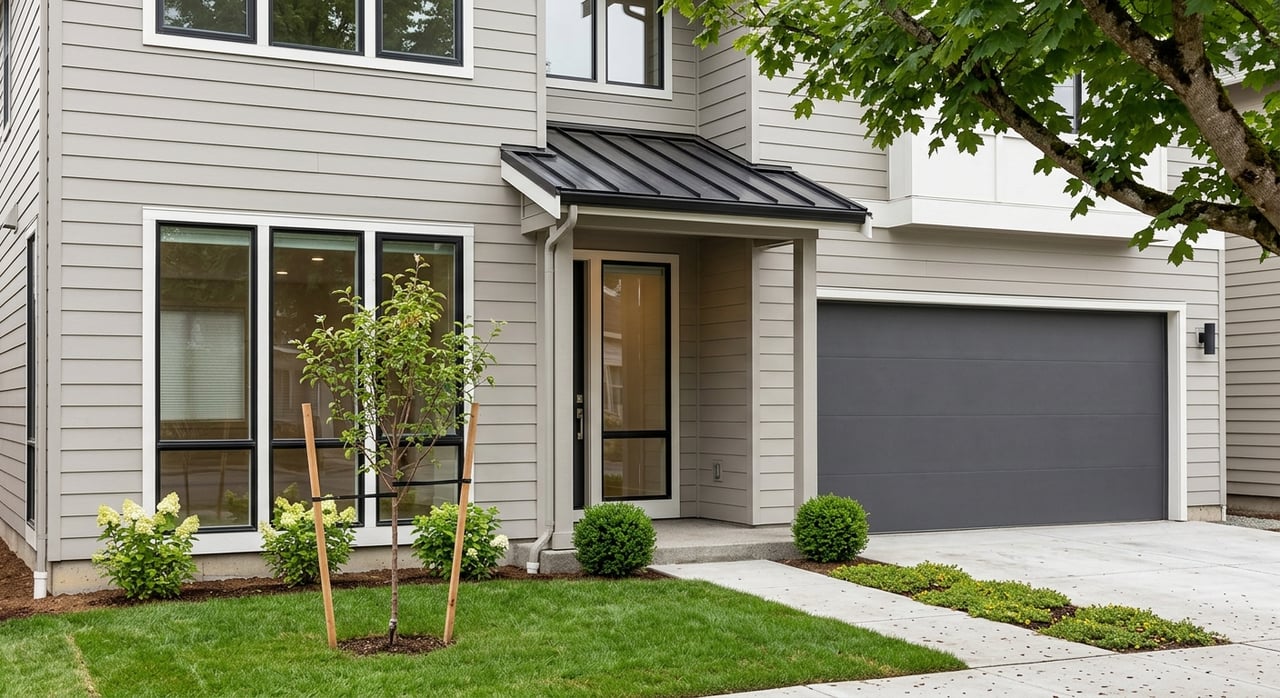
If you are deciding between a new construction home and a resale home in Albany, you are not alone. It is a common question because both options can work well, but they come with very different costs, timelines, and tradeoffs. When you understand how Albany’s market, city fees, permits, and housing growth plans affect your choice, you can make a smarter decision with fewer surprises. Let’s dive in.
Albany home choice starts with context
Albany gives you a mix of established resale neighborhoods and ongoing growth areas, which is why this decision is so relevant here. In February 2026, Albany’s resale market had a median sale price of $424,990, and homes sold after a median of 99 days on market, according to Redfin’s Albany housing market data.
At the same time, Albany continues to plan for long-term housing growth. The city reports an average of 300 residential units permitted annually since 2000, and its housing planning projects a need for thousands of additional housing units by 2040. Albany has also updated housing rules to allow more middle housing options through its housing implementation work, which may expand the kinds of new-construction homes you see over time.
If you are shopping in newer parts of town, it helps to know that city planning points to future growth in East Albany, South Albany, and North Albany. That matters because some new communities may still be evolving, with transportation connections, parks, trails, and mixed-use features developing over time rather than being fully established on day one.
New construction pros in Albany
New construction appeals to many buyers because it offers a more predictable starting point inside the home itself. You are generally getting newer systems, newer materials, and fewer immediate repair concerns compared with many resale properties.
Another major benefit is customization. Depending on the stage of construction, you may be able to choose finishes, fixtures, appliances, or design upgrades that better match your preferences instead of budgeting for changes after closing.
There is also added value in the warranty process. In Oregon, builders must offer a written warranty on new residential structures before or at contract signing, according to the Oregon Construction Contractors Board. That can give you some peace of mind, although it is important to read the terms carefully because warranties are limited and do not function as all-purpose guarantees.
New construction tradeoffs to watch
The biggest surprise for many buyers is that the base price is not always the final price. The CCB’s consumer guidance notes that contracts should clearly address materials, payment schedules, permit responsibility, allowance items, and change orders. Those allowance categories often include lighting, plumbing fixtures, appliances, and similar finish items, which means your total cost can rise quickly if you choose upgrades.
Albany buyers should also pay attention to local development-related costs. The city says system development charges, or SDCs, are one-time fees for new development that help fund water, sewer, parks, streets, and stormwater capacity, and they are generally due when the building permit is issued. Albany also notes that some residential development may use SDC deferral or deferred-payment agreements.
There are additional local fees that can affect a new-build budget. Albany added a storm-drainage SDC for permit applications submitted on or after January 1, 2024, and the city’s Housing Construction Excise Tax began on January 1, 2026, at 0.25% of permit value after the first $50,000, with higher rates scheduled in later years.
Timing is another important factor. New homes still need to move through Albany’s building permit, plan review, and inspection process, so your closing date can be less certain than it would be with an already-completed resale home.
Resale home advantages in Albany
For many buyers, the biggest resale advantage is speed. While every transaction is different, buying an existing home usually offers a faster path to occupancy than waiting on construction, inspections, and final sign-off for a new build.
Resale homes can also offer more established surroundings. In many areas of Albany, that may mean mature landscaping, completed streets, existing neighborhood patterns, and a clearer sense of what the area feels like on a daily basis.
Another benefit is the seller disclosure process. Oregon law generally requires sellers to provide a seller’s property disclosure statement to buyers who make a written offer. That does not eliminate risk, but it does give you a structured way to review known issues before closing.
Resale home tradeoffs to budget for
A lower or comparable list price does not always mean a lower true cost. With a resale home, you may need to budget for repairs, system replacements, cosmetic updates, and possible permit-related work after closing.
That is especially important if your plan is to remodel soon after you move in. Albany routes building, plumbing, electrical, mechanical, encroachment, and erosion-control permits through its ePermitting system, and some work in historic districts may also require historic review and approval.
In practical terms, the real comparison is often not just new-build price versus resale price. It is new-build price versus resale price plus deferred maintenance, near-term repairs, renovation plans, and the time and effort required to complete them.
Compare the true all-in cost
If you want to make a smart choice, compare both options on an all-in basis rather than focusing only on the asking price. That approach is especially helpful in Albany, where new construction may include city charges and resale homes may come with repair needs.
Here is a simple way to compare the two:
- Purchase price or base price
- Expected closing costs
- HOA dues, if any
- Warranty coverage and limitations
- Upgrades and allowance overruns on new construction
- SDCs or other builder-passed costs, if applicable
- Housing Construction Excise Tax impact, where applicable
- Inspection-related repairs on resale homes
- Renovation or cosmetic refresh budget
- Contingency reserve for unexpected costs
When you lay both choices out this way, the better option often becomes clearer. A resale home may be more affordable upfront but need major work soon. A new construction home may cost more at the start but reduce immediate repair risk.
HOA and CC&R review matters
Whether you buy new construction or resale, review the community documents carefully if the home is in a planned community. Under Oregon law, planned communities have recorded declarations and bylaws, and associations may adopt budgets, collect assessments, and maintain reserve accounts under the Oregon Planned Community Act.
Do not stop at the monthly dues amount. Reserve funding matters too, because reserve accounts under Oregon law are meant to help cover major maintenance and replacement items. Low dues may sound attractive, but they are not always a bargain if reserves are weak.
If you are buying in a brand-new subdivision, ask who currently controls the HOA and when owner turnover is expected. Oregon law addresses this transition from declarant control to owner control, including the role of a transitional advisory committee and turnover timing.
Builder due diligence is essential
If you lean toward new construction, make builder research part of your decision process. The Oregon CCB recommends verifying a contractor’s active license, bond, liability insurance, workers’ compensation coverage, and complaint history before signing a contract.
You should also make sure the contract clearly covers scope, materials, permit responsibility, payment schedule, start date, completion date, and signed change-order procedures. For buyers, that level of clarity can prevent misunderstandings about cost, timing, and responsibility.
A good due-diligence file should also include practical records. The Oregon Real Estate Agency’s recordkeeping guidance points to items like CC&Rs, bylaws, special assessments, inspection reports, title reports, and closing-cost estimates. For new construction, add the written warranty, allowance details, and change-order terms.
Which option fits your goals?
New construction may be the better fit if you want a more modern layout, fewer immediate repairs, and the chance to personalize finishes. It can also make sense if you are comfortable with a longer timeline and you have reviewed the full budget beyond the base price.
A resale home may be the better fit if you want to move sooner, prefer more established surroundings, or see value in improving a home over time. It can also be a strong option if you are prepared to evaluate inspection findings and budget carefully for updates.
In Albany, there is no one-size-fits-all answer. The best choice usually comes down to how you weigh timeline, total cost, neighborhood maturity, customization, and your comfort with repairs or construction variables.
If you want help comparing specific homes, communities, or budget scenarios in Albany, connect with Harcourts Elite. You will get practical, local guidance to help you weigh the tradeoffs clearly and move forward with confidence.
FAQs
Should I buy new construction or resale in Albany, Oregon?
- The better choice depends on your priorities. New construction often offers newer systems and customization, while resale often offers faster move-in and more established surroundings.
What extra costs should I expect with new construction in Albany?
- You may need to account for upgrades, allowance changes, system development charges, storm-drainage SDCs, and the Housing Construction Excise Tax where applicable.
Are resale homes in Albany faster to move into?
- In many cases, yes. Resale homes are generally faster to occupy because they do not depend on construction completion, permit timing, and final inspections.
Do Albany resale home sellers have to disclose property issues?
- Oregon generally requires sellers to provide a seller’s property disclosure statement to buyers who make a written offer, which helps you review known issues before closing.
What should I review before buying in an Albany HOA community?
- Review the CC&Rs, bylaws, budget, reserve funding, maintenance plan, and any history of special assessments so you understand both rules and financial obligations.
How can I compare a new construction home and a resale home fairly in Albany?
- Compare the all-in cost, including purchase price, HOA dues, warranty terms, upgrades, city fees, expected repairs, renovation costs, and a contingency reserve.