If you are drawn to Stayton because you want a home with a little more breathing room, you are not alone. The tricky part is that a property in town and a small-acreage property outside town can look similar online while working very differently in real life. If you understand zoning, utilities, and site maintenance before you shop, you can avoid expensive surprises and buy with more confidence. Let’s dive in.
Stayton homes and acreage are not the same purchase
One of the biggest things to understand about Stayton is location inside or outside city limits. Stayton sits about 15 miles southeast of Salem, with Highway 22 connecting the city to Salem and the Santiam Canyon area. That makes it appealing if you want small-town living with regional access.
But from a property-use standpoint, the real dividing line is jurisdiction. Inside city limits, the City of Stayton handles land use through its Community & Economic Development Department. Outside city limits and outside urban growth boundaries, Marion County rural zoning rules usually apply.
That means a home on a standard in-town lot is often a city-zoning, city-utility purchase. A small-acreage property around Stayton is often a county-zoning, private-systems purchase. That difference affects what you can do with the land, what systems you maintain, and what you should verify before making an offer.
What you will see in town
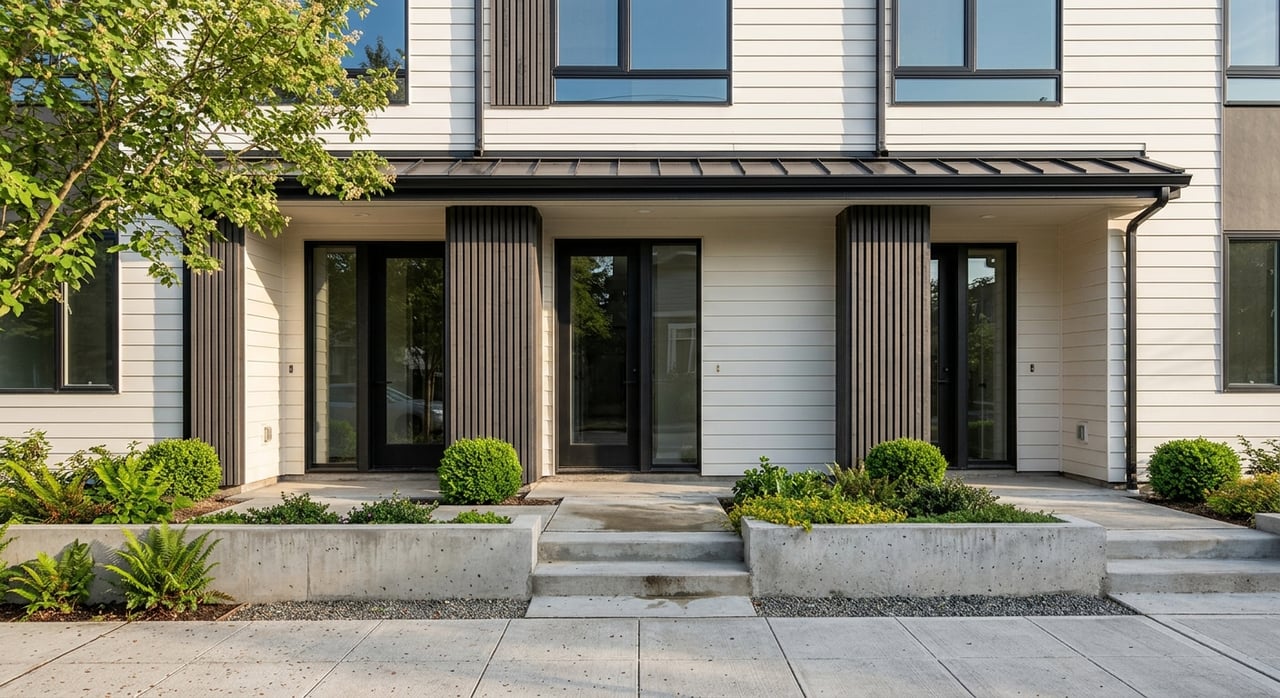
In-town homes tend to be compact lots
Inside Stayton, residential zoning is organized around LD, MD, and HD zones. LD is intended for single-family dwellings and accessory uses, with density up to 6 units per acre. MD allows single-family homes, duplexes, triplexes, and mobile home parks up to 12 units per acre, while HD is intended for multifamily housing with a minimum density of 13 units per acre.
Lot sizes in town are usually modest compared with rural properties. LD lots generally require 8,000 square feet, MD lots 7,000 square feet, and HD lots 6,000 square feet. In some MD areas east of a north-south line along 10th Avenue, the minimum lot size is 10,000 square feet.
City homes usually connect to public utilities
For many buyers, one of the biggest advantages of an in-town property is utility access. Stayton Public Works manages the city’s water, sanitary sewer, streets, and storm drainage systems. The city water department provides treated water to residential, commercial, and industrial customers.
That setup usually means fewer site systems for you to maintain. You are generally focused on the house and lot itself, rather than also managing a well and septic system.
Design standards can affect new homes
If you are looking at newer construction, replacement homes, or manufactured homes in LD or MD zones, the city has design standards to know. New single-family detached homes and manufactured homes in those zones must have at least 1,000 square feet of floor area and a minimum 24-foot horizontal dimension.
That matters if you are thinking about future building plans or comparing infill opportunities. It is one more reason buyers should confirm zoning details early rather than assume all residential lots work the same way.
What small-acreage living around Stayton really means
Rural parcels are built for a different lifestyle
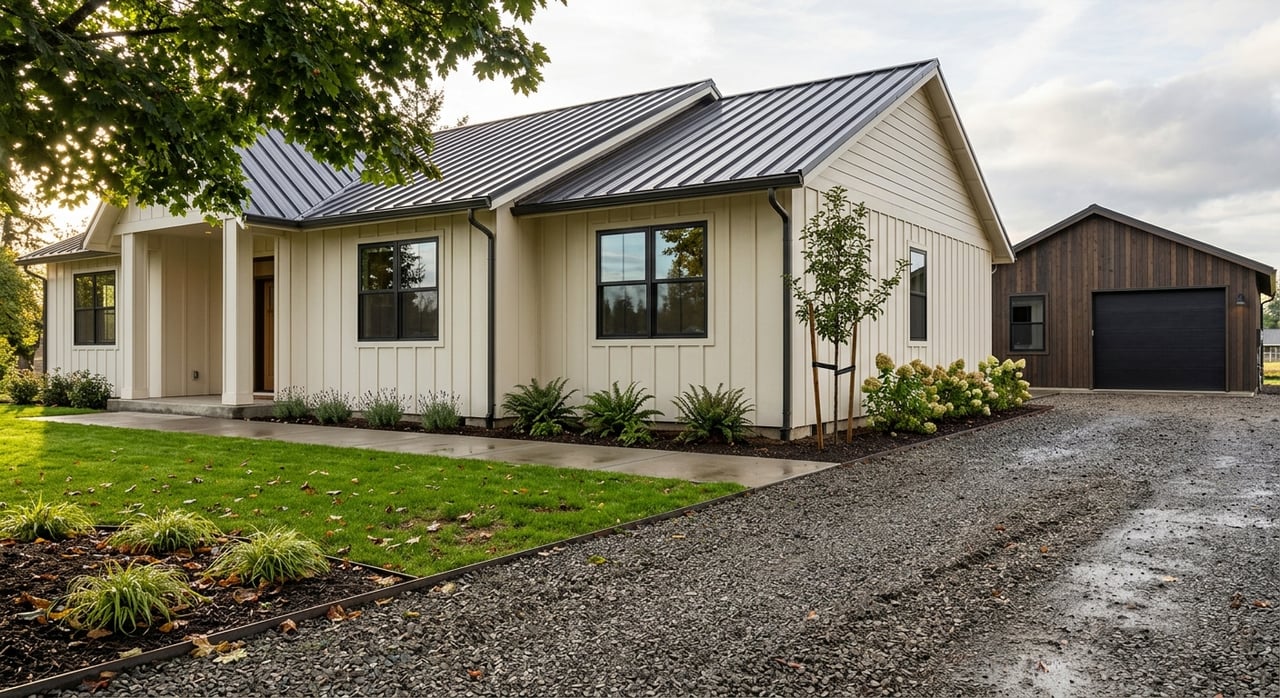
Outside Stayton, Marion County’s rural development policies describe rural housing as more scattered single-family housing and rural communities. These areas are intended for acreage homesites rather than typical urban tract subdivisions. In practical terms, that usually means more land, more independence, and more responsibility.
Rural residents often need to provide their own sewage disposal and water supply. So while extra land can feel like a dream, it also changes your maintenance checklist and due diligence.
The AR zone is common for acreage homesites
In Marion County, the AR zone is designed to regulate acreage homesites. The minimum lot size for subdivisions and partitions is generally 2 acres unless a numerical suffix applies. The zone allows single-family dwellings, farm use, planned developments, parks, utilities, limited home occupations, and some conditional uses.
This is why acreage alone does not tell the full story. If you want space for chickens, a shop, or a home-based use, zoning matters just as much as the number of acres.
Setbacks can limit how land is used
Rural buyers also need to pay attention to neighboring land uses. In Marion County’s AR zone, dwellings near farm or forest lands may need larger setbacks. That can mean 100 feet from certain farm-related zones adjacent to farm use and 200 feet when adjacent to forest uses, unless a reduction is approved after review.
If you are planning an addition, outbuilding, or future site changes, those rules can shape what is practical. A parcel may feel large, but the usable building area may be smaller than you expect.
Why zoning and jurisdiction matter so much
The map can change the whole transaction
Before you get attached to a property, confirm whether it is inside Stayton city limits, inside an urban growth boundary, or in Marion County rural zoning. The city and county use different zoning systems and different map sets. That means the same assumptions do not carry over from one property to the next.
For example, a property near Stayton might look like a simple residential home online, but the rules for remodeling, adding structures, utility access, and land use can be completely different depending on the jurisdiction. This is often where buyers run into surprises.
Overlays and site conditions matter too
Some rural areas come with added layers of review. Marion County has a floodplain program for rural areas outside urban growth boundaries, and development in a floodplain or floodway usually requires review and approval. New dwellings and substantial improvements in those areas can trigger elevation and other design requirements.
The county also has a geologically hazardous areas program that may require geological or geotechnical reports in steep-slope or slide-hazard areas. In some places, groundwater sensitivity is also part of the picture. These are not reasons to avoid a property automatically, but they are strong reasons to verify conditions early.
Wells and septic systems need extra attention
Private wells are a key due diligence item
If a property uses a private well, you should treat well records and water testing as essential. Marion County notes that domestic wells are not regulated like public water systems. That means a rural water source does not come with the same oversight as city water.
Oregon’s Domestic Well Testing Act applies when real estate with a domestic well is sold or exchanged. During the transaction, the seller must test for arsenic, nitrate, and coliform bacteria through an accredited lab, and the RET form and results must be sent to both the buyer and Oregon Health Authority within 90 days. The results are valid for one year.
Septic records do not always tell the full story
For properties not served by a community sewer system, Marion County Building Inspection issues septic permits as a DEQ contract agent. The county’s onsite sewage program determines disposal feasibility and inspects installations.
Marion County also offers online septic record review services, but the county notes that septic history may be incomplete. In other words, public records are useful, but they should not be your only source of comfort.
Maintenance is broader on acreage properties
On a small-acreage property, you are often evaluating more than the house itself. You also need to think about the septic system, driveway condition, drainage, roof runoff, and site grading. These pieces work together, and problems in one area can create stress in another.
Septic maintenance is ongoing too. A typical septic system should generally be inspected at least every three years and pumped every three to five years, while systems with pumps or mechanical parts are generally inspected yearly. Oregon DEQ also says systems that require service contracts must keep those contracts active until the system is decommissioned.
Financing and inspections on small acreage
Loan rules may be stricter than you expect
If you are financing the purchase, property condition matters. USDA Rural Development’s Single Family Housing Guaranteed Loan Program is for permanent residences in rural areas and includes an income cap of 115% of area median income. For existing homes, USDA guidance says the home must be structurally sound and in good repair, or be able to be put in good repair with loan funds, and it must have adequate water and wastewater systems.
USDA materials also note that well and septic distance issues can affect eligibility and that flood-related concerns may require additional review. Even if you are not using USDA financing, this gives you a useful reminder that lenders often look closely at rural systems and site risks.
Inspect the site, not just the structure
A standard home inspection is important, but with acreage properties, the site deserves equal attention. You will want to ask about signs of drainfield saturation, standing water, slow drains, odors, roof runoff, grading, and driveway wear. You should also ask whether barns, shops, fences, additions, or outbuildings appear unpermitted or too close to setbacks.
That kind of review can be especially helpful because issues do not always show up in county files or in a quick showing. A property can look peaceful and still have site-level concerns that affect cost and use.
A simple checklist before you write an offer
If you are comparing Stayton homes and small-acreage properties, use this quick screening list:
- Confirm whether the parcel is inside Stayton city limits, inside an urban growth boundary, or in Marion County rural zoning.
- Confirm whether the property is on city water and sewer or on a private well and septic system.
- Confirm the zoning, such as LD, MD, HD, AR, or any overlay that may apply.
- Check floodplain and geohazard maps before spending money on inspections or surveys.
- If the property is near farm or forest land, verify setbacks and allowed uses.
- If your goal is rural living, confirm that the parcel supports your intended use rather than assuming acreage alone solves it.
The bottom line for Stayton buyers
Stayton offers two very different paths that can both be appealing. An in-town home is usually a simpler city-zoning, city-utility purchase with smaller lots and more straightforward maintenance. A small-acreage property around Stayton can offer flexibility and space, but it often comes with private systems, county zoning, added site care, and more pre-offer research.
If you keep that difference front and center, you will shop smarter and ask better questions before you fall in love with the extra land. And when you do find the right fit, you can move forward with far more clarity.
If you want help comparing Stayton homes, land, or small-acreage options, connect with Harcourts Elite for clear guidance and responsive local support.
FAQs
What is the difference between a Stayton in-town home and a small-acreage property near Stayton?
- A Stayton in-town home is usually governed by city zoning and connected to city water and sewer, while a small-acreage property near Stayton is often under Marion County rural zoning and may rely on a private well and septic system.
What zoning should buyers check for Stayton homes and land?
- Buyers should confirm whether the property is in Stayton zoning such as LD, MD, or HD, or in Marion County zoning such as AR, along with any overlays that may affect use, setbacks, floodplain review, or groundwater sensitivity.
What should buyers know about wells on acreage properties near Stayton?
- For domestic-well properties in Oregon, sellers must test for arsenic, nitrate, and coliform bacteria during the sale process, and those results are part of important due diligence for buyers.
What should buyers know about septic systems near Stayton?
- Buyers should review available county records, ask about pumping and service history, and remember that public septic files may be incomplete, so an inspection and site review can be especially important.
Why do lenders care about small-acreage property details near Stayton?
- Lenders may look closely at property condition, water and wastewater systems, flood-related issues, and site factors that could affect safety, repair needs, or loan eligibility.
What should buyers verify before making an offer on land or acreage near Stayton?
- Buyers should verify jurisdiction, zoning, utility type, overlays, floodplain or geohazard status, setbacks, and whether the parcel supports the way they plan to live on and use the property.