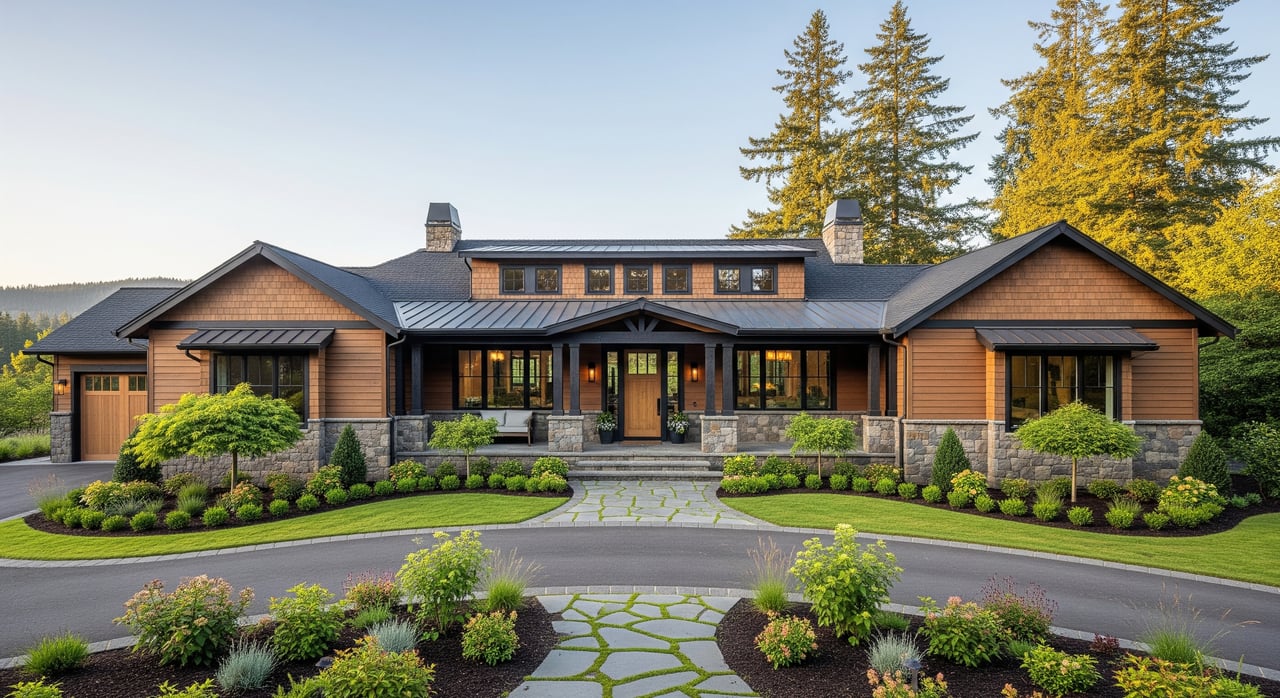
Thinking about selling your Salem home in the next year? You’re not alone. Many local owners are weighing timing, price, and prep as the market shifts with rates and inventory. You want a smooth sale and a strong result, without guesswork. In this guide, you’ll learn what to watch in Salem, how to price with confidence, and the practical steps that help your home stand out. Let’s dive in.
Salem market snapshot: what to watch
You do not need to track every data point, but a few key numbers can tell you where leverage sits and how to set expectations.
Watch these metrics each month
- Median sale price and 6–12 month change. This shows direction and helps you anchor pricing.
- Median list price and percent of list price received. This helps you gauge how close homes sell to asking.
- Days on market (median and average). Shorter DOM often signals stronger demand; longer DOM may point to softer pricing or more competition.
- Active listings, new listings, and months of inventory. This reveals whether Salem leans seller’s market, buyer’s market, or balanced.
- Pending and closed sales. These show current buyer activity and overall transaction volume.
- Price bands by segment. Movement can vary under $300k, $300–500k, $500–800k, and $800k+. Your strategy should reflect your band.
- Financing mix. The share of cash, conventional, FHA, and VA loans affects appraisals, repairs, and concessions.
- Condo vs single-family trends. If relevant to your property type, this can impact time on market and marketing.
For statewide context and forms, you can review the Oregon Association of REALTORS resources. For rate trends that shape buyer budgets, check the weekly Primary Mortgage Market Survey from Freddie Mac. For employment trends that drive local demand, the Oregon Employment Department provides regional updates, and the U.S. Census Bureau’s American Community Survey offers demographic context.
- Oregon Association of REALTORS statewide resources: Oregon Association of REALTORS
- Mortgage rate trends: Freddie Mac Primary Mortgage Market Survey
- Oregon labor market data: Oregon Employment Department
- Demographic profiles: U.S. Census Bureau American Community Survey
How to read the numbers
- Months of inventory under roughly 3 months often favors sellers. You can price with confidence, but presentation still matters.
- Inventory above roughly 6 months usually favors buyers. Expect longer DOM and consider strategic concessions.
- Rising DOM or frequent price reductions can signal overpricing. Strong pricing upfront often beats chasing the market later.
- If your price band is crowded with active listings, you will need standout marketing and sharper pricing to compete.
Timing your sale in Salem
Timing is part market data and part lifestyle. There is no one-size-fits-all date, but a few patterns can help you plan.
- Seasonality. Spring often brings the most showings and broader buyer pools. Late fall and winter can be slower but may come with less competition. Your home’s condition and price point can offset seasonal swings.
- Mortgage rates. When rates dip, buying power improves and more buyers return to touring. When rates climb, some price-sensitive buyers pause. Keep an eye on weekly trends via Freddie Mac’s survey and talk with your agent about likely buyer responses in your price range.
- Local calendars. Many buyers with school-age children prefer to move between school years. If your home appeals to that group, listing earlier in the year can help.
- New construction. If nearby new builds are advertising incentives, resale homes in the same band may need sharper pricing or stronger presentation.
Bottom line: align your listing date with your goals and the data. A local CMA and net proceeds estimate will show whether it makes sense to list now or prep for a future window.
Pricing strategies that work
Pricing sets the tone for your entire sale. These are the most common approaches in Salem.
Price at market
This strategy sets your price based on recent comparable sales and current active competition. It aims for credibility and solid traffic within the first two weeks. In a balanced market, this often produces steady offers and cleaner negotiations.
Price slightly below market
Pricing just under a psychological threshold can pull in more showings and may invite multiple offers in active segments. This can work well when months of inventory is tight in your price band. You still need a clear plan for handling multiple offers to avoid leaving money on the table.
Price above market
Testing high can be tempting if your home is unique. The risk is increased days on market and later price reductions. Use this only with a strong marketing plan, clear differentiation, and awareness that buyers watch DOM closely.
Manage reductions thoughtfully
Frequent reductions can signal weakness. If you need to adjust, do it based on new comps, buyer feedback, and a clear step size that resets interest.
Prep checklist for Salem homes
You do not have to overhaul everything to make a strong impression. Focus on high-impact, cost-effective improvements buyers notice fast.
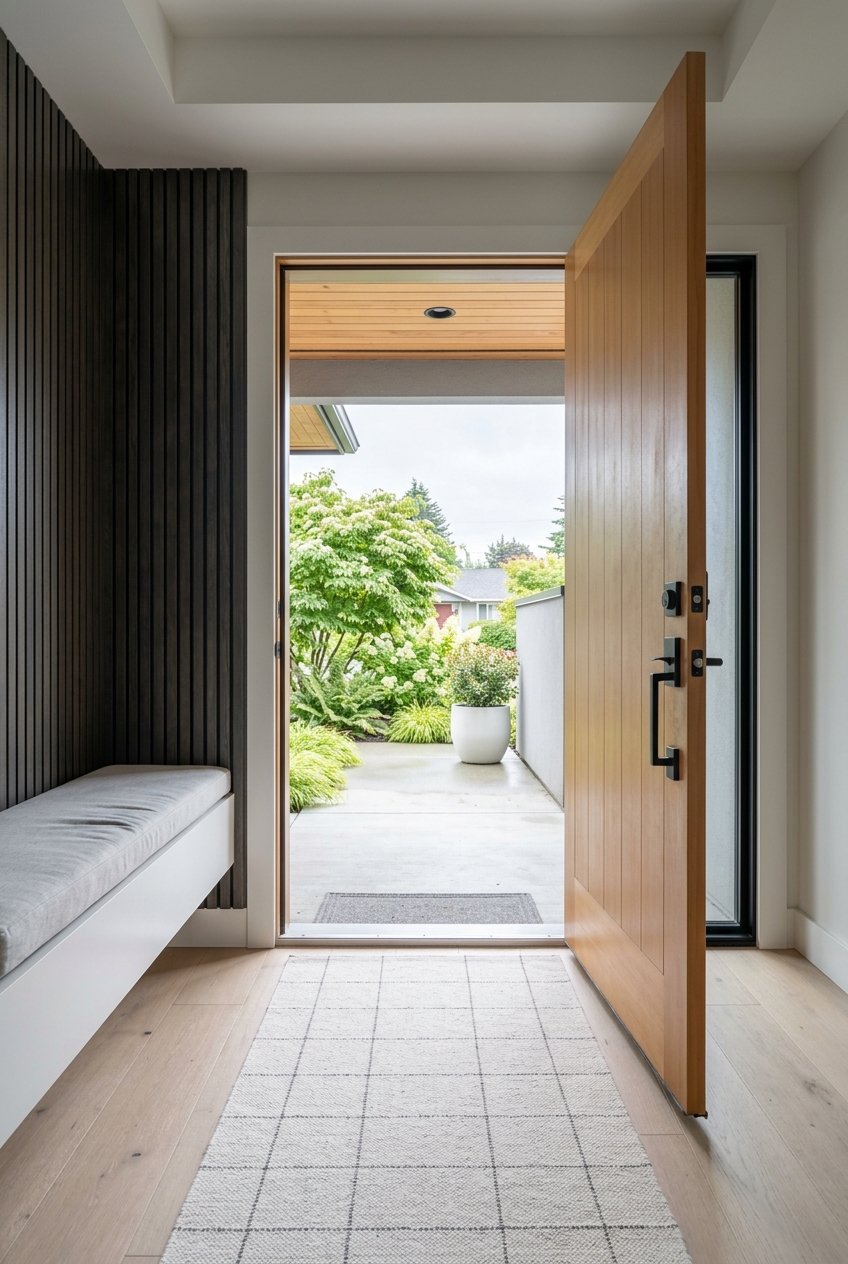
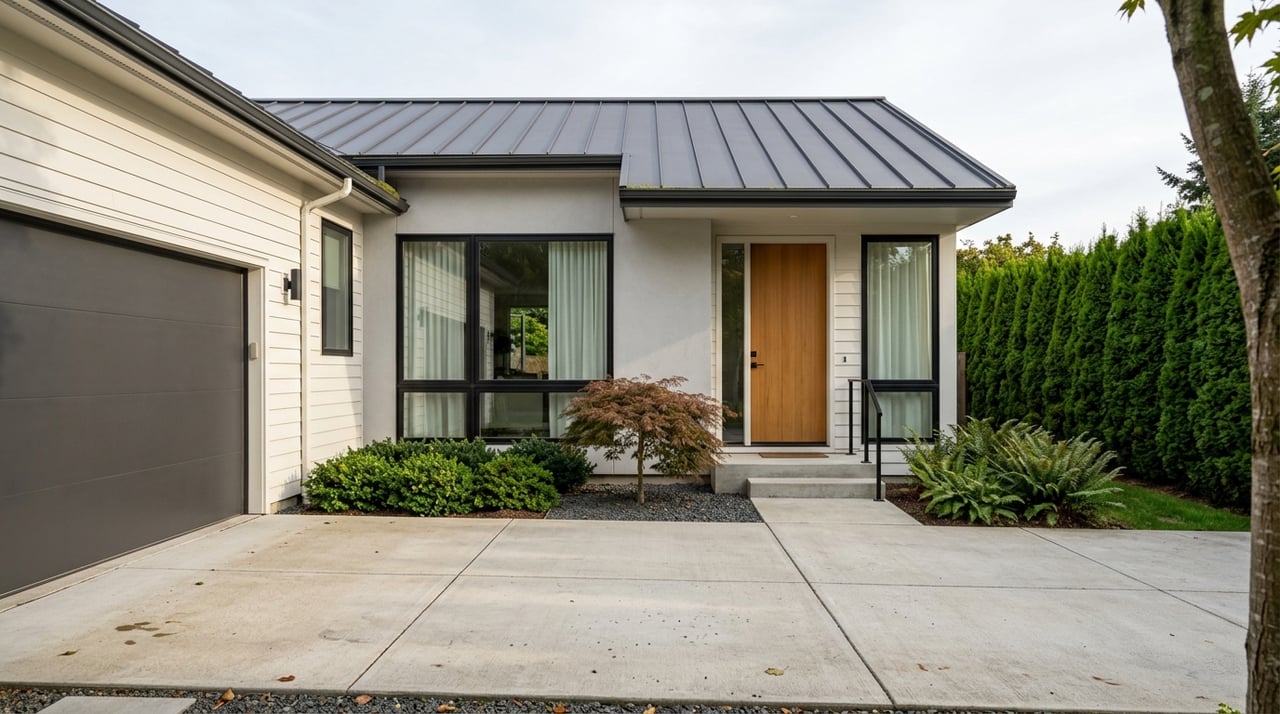
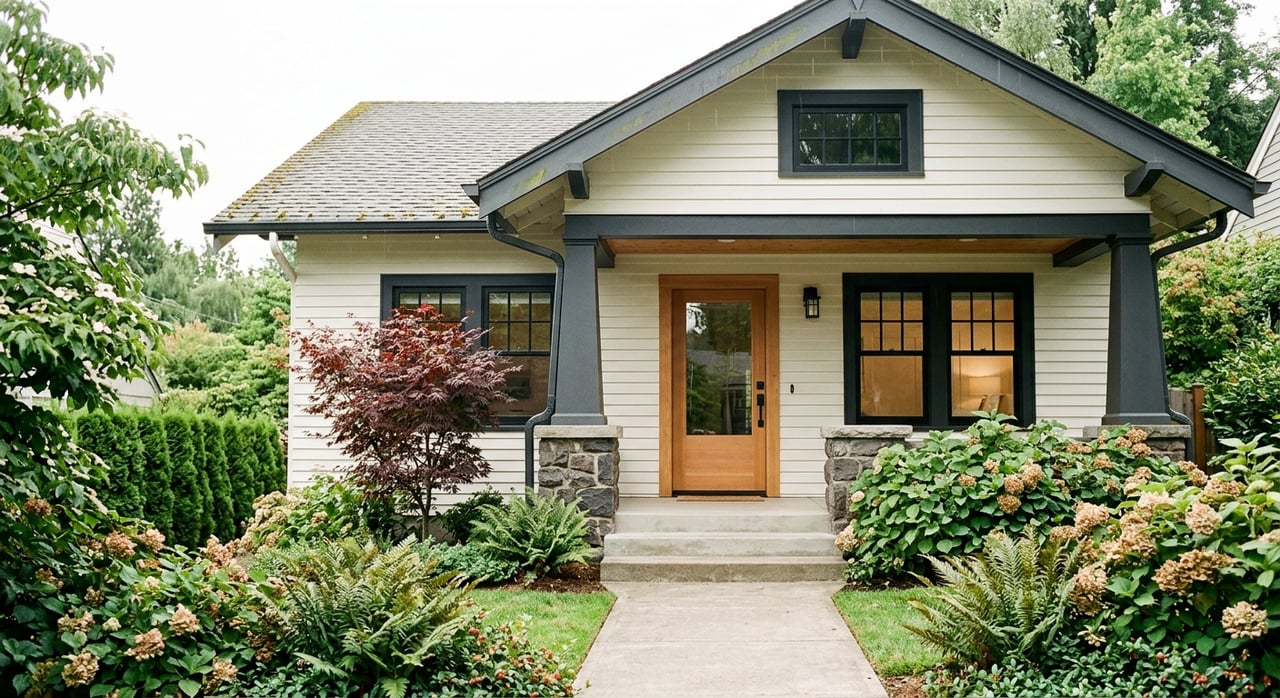
- Curb appeal. Tidy landscaping, clean walkways, and touch-up paint set expectations the moment buyers arrive.
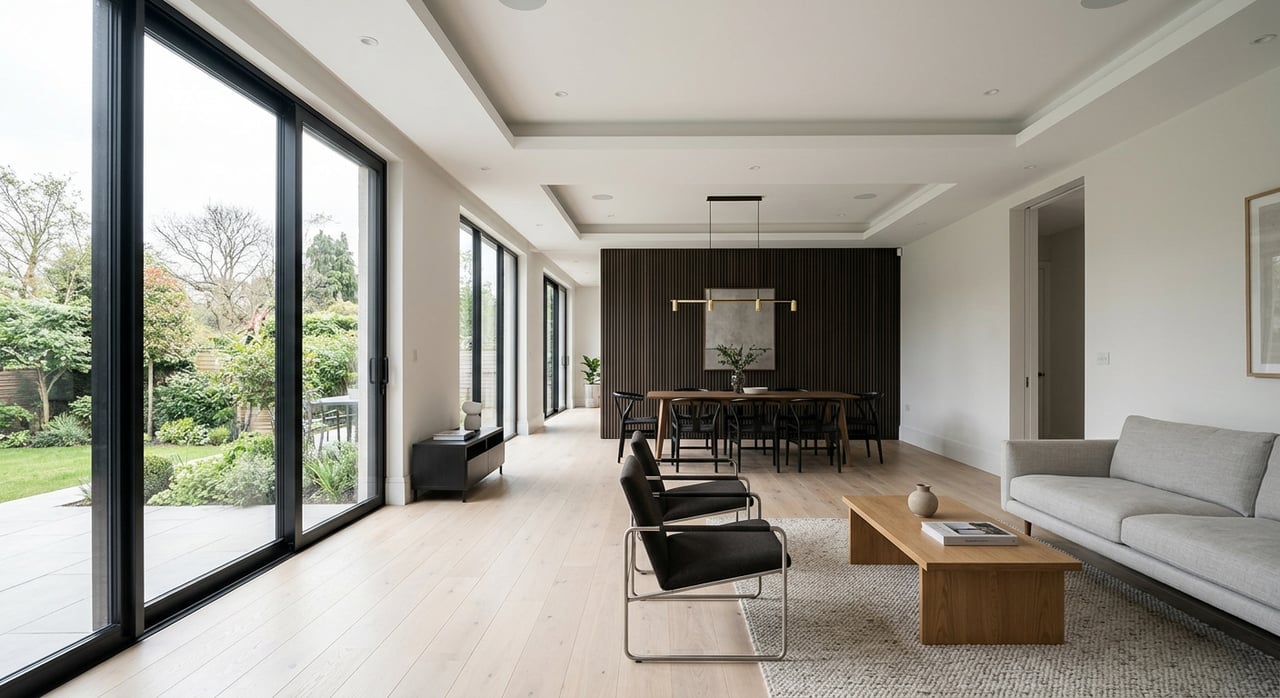
- Clean and declutter. Remove personal items and minimize bold colors. Spacious, neutral rooms feel more move-in ready.
- Minor repairs. Fix leaky faucets, sticky doors, flickering lights, and other small items that can show up on inspection.
- Deep clean and odor removal. Address pet, smoke, or mildew odors. A fresh, neutral scent matters in showings.
- Kitchens and baths. Simple upgrades like new hardware, refreshed grout, updated faucets, and painted cabinets can go a long way.
- Lighting and comfort. Replace dim bulbs and consider warmer color temperatures to brighten rooms.
- Professional photography. Crisp, well-lit photos and floor plans are essential for online discovery.
- Staging. Stage key rooms such as the living area, kitchen, and primary bedroom. Virtual staging can work for vacant spaces.
- Energy features. Highlight efficient systems if you have them, such as heat pumps, upgraded insulation, or a newer water heater.
- Pre-list steps. Consider a pre-listing inspection to avoid surprises. A home warranty can help ease concerns in a softer market.
Cost and timeline expectations
- Light refresh and staging. Plan 1 to 2 weeks for cleaning, minor repairs, and staging. This level of prep often boosts photos, traffic, and time on market.
- Bigger projects. Roofs, full kitchen remodels, or major system upgrades can take months. Weigh cost and delay against likely price impact and whether a credit or as-is strategy is better.
- Permits and rules. If your home is in a historic area or you plan exterior changes, consult the City of Salem’s planning and building resources to confirm requirements: City of Salem Building and Development.
Neighborhood and price band notes
Salem includes several submarkets such as South Salem, West Salem, Keizer, and the downtown and Capitol areas. Homes and price points vary by neighborhood, which can change DOM and negotiating leverage. Two homes with similar square footage can perform differently based on location, inventory in that micro-area, and buyer pools. Ask your agent for a neighborhood-level CMA so your pricing reflects what is happening on your specific streets.
Price band dynamics matter too. Entry-level homes often have a larger buyer pool during rate dips. Higher-end homes can take longer to sell, and they benefit from elevated marketing, extended showing windows, and targeted outreach. Right-sizing your strategy to your band is key.
Smart negotiation levers
You have more tools than just price to reach a win.
- Inspection terms. Consider allowing buyer inspections with an as-is framework that sets expectations. This can limit repair renegotiations, though you should still disclose known issues.
- Closing timeline. Flexibility here can attract better offers. Quick closings may appeal to relocators, while rent-backs or extended possession help buyers who need time to move.
- Inclusions and credits. Appliances, lawn equipment, or limited closing credits can help bridge small gaps in softer segments.
- Earnest money and appraisal strategy. If financing is prevalent in your band, be ready to discuss appraisal gaps and whether your pricing and comps support the contract price.
How Harcourts Elite helps you sell
A strong plan beats guesswork. With a neighborhood-first approach and franchise-level reach, Harcourts Elite packages data, presentation, and negotiation to simplify your sale.
Here is what you can expect when you meet with our team:
- A neighborhood CMA with active, pending, and closed comps from the last 30–90 days, plus price band trends.
- A tailored pricing recommendation that aligns with your goals, seasonal timing, and current inventory.
- A seller net proceeds estimate that outlines typical closing costs. For broad national context on seller costs, see the National Association of REALTORS, then rely on a local net sheet for specifics.
- A customized prep plan that prioritizes ROI, from curb appeal to staging and photography.
- A marketing launch that spotlights your home across professional channels, with high-quality media and targeted distribution.
- Flexible sale methods, including traditional listing and well-structured auction strategies when they fit your goals.
- Clear communication, bilingual support when needed, and regular updates from list to close.
When you are ready, we will align timing, pricing, and prep to match what today’s buyers are seeking in your part of Salem. You will know what to fix, what to skip, and how to negotiate with confidence.
If you want a local, data-backed plan for your home, reach out for a free consultation and a clear path to your best result with Harcourts Elite.
FAQs
When is the best time to list my Salem home?
- Spring often brings more buyers and showings, while late fall and winter can be quieter. Your ideal timing also depends on your price band, inventory near you, and personal milestones such as a job change or school calendar.
How should I price my home in today’s market?
- Start with a neighborhood CMA and current actives, then choose a strategy that fits your goals: at market for credibility, slightly below to drive activity, or above only if your home is truly unique and supported by data.
What repairs must I make before selling in Salem?
- Prioritize safety and system issues first, then cosmetic improvements with clear impact like paint, lighting, and small kitchen or bath updates. A pre-list inspection can help you decide what to fix versus disclose.
How long will it take to sell my home?
- Time on market depends on price, condition, neighborhood, and competition in your band. Clean presentation and accurate pricing usually shorten DOM, while testing high can lengthen it.
What will it cost me to sell?
- Expect standard seller closing costs such as brokerage fees, title and escrow charges, and state or local fees. Ask your agent for a net proceeds estimate tailored to your home and loan payoff.
Do mortgage rates really affect my sale?
- Yes. When rates drop, more buyers typically re-enter the market and affordability improves. Track weekly trends using the Freddie Mac PMMS and plan with a local CMA for your price range.
Should I stage my home?
- Staging key rooms often helps buyers visualize living in the space and can lift perceived value. At minimum, declutter and use professional photography to maximize online interest.