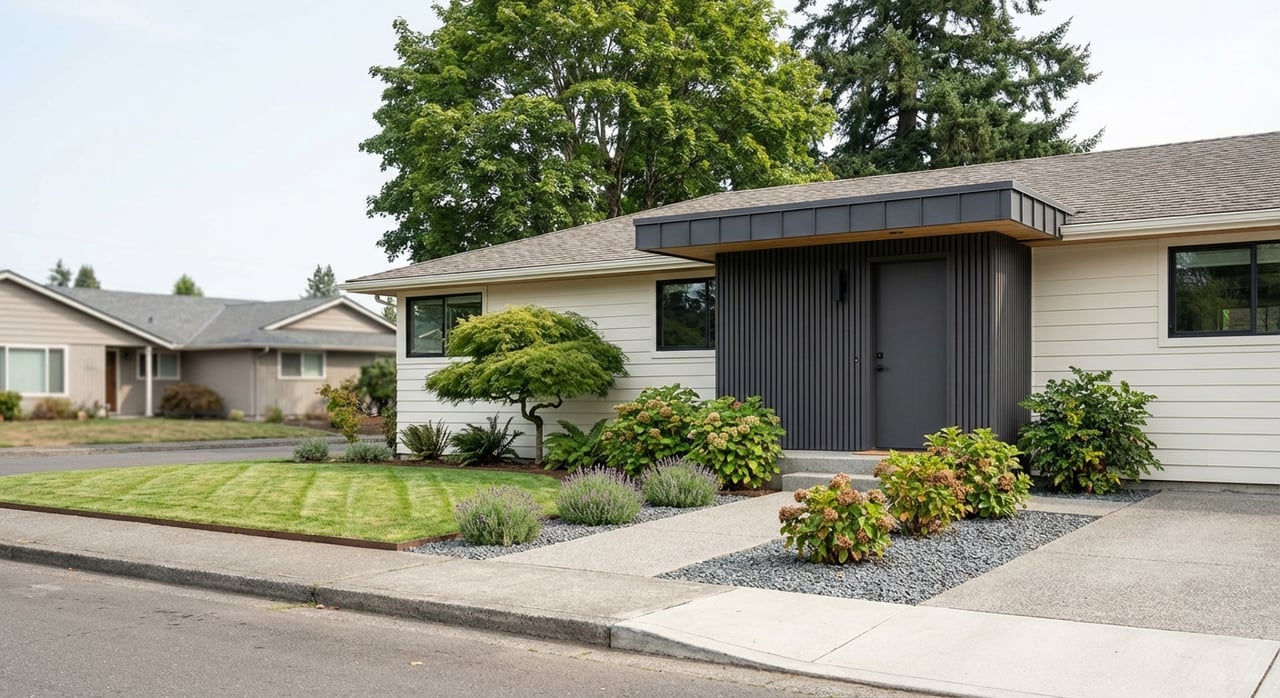
Thinking about Woodburn but curious if a nearby Valley town might be a better fit? You want solid value, an easy commute, and amenities that match your lifestyle without second guessing your choice. In this guide, you’ll see how Woodburn compares with Salem, Silverton, and Mt. Angel on costs, commute options, schools, and daily life so you can choose with confidence. Let’s dive in.
Quick market snapshot
- Woodburn: A small city with roughly 27–28k residents and a median household income around $67k, with owner-occupied home values that skew more affordable than many nearby towns. You can explore local demographics and housing markers in the Woodburn profile on Census Reporter.
- Salem: The regional hub with about 180k people and a median household income near $79–80k, offering the widest range of housing types and services. See the Salem profile on Census Reporter.
- Silverton: A smaller town of roughly 10k with a compact downtown and strong garden and arts identity. Quick city facts are available through U.S. Census QuickFacts.
- Mt. Angel: A compact community of about 3–3.5k residents with a strong festival identity and limited housing inventory. Find a population snapshot at CityPopulation.de.
Tip: Use current MLS data when you narrow down neighborhoods. Median values shift month to month, so check a few active listings to ground your budget.
Housing costs: how towns compare
Woodburn generally offers the most approachable home values among these four communities. Silverton tends to sit at the top of the price range, with Salem and Mt. Angel often in the middle. Prices overlap by neighborhood and lot size, so focus on live listings in the areas you prefer.
What you’ll see on the ground also differs. Woodburn mixes older single-family neighborhoods with newer subdivisions, retirement-oriented golf communities, and nearby rural acreage. Salem offers the broadest housing mix, from condos and cottages to suburban subdivisions. Silverton and Mt. Angel feel more small town, with tighter inventories and fewer large new developments.
Commute and transit
If you drive, Woodburn’s location on I‑5 provides direct access north to Portland and south to Salem. Typical driving times are often in this range: Woodburn to Salem about 20–30 minutes and Woodburn to Portland about 35–45 minutes, depending on traffic; Woodburn to Mt. Angel about 10–15 minutes; Woodburn to Silverton roughly 15–30 minutes. You can sanity check distances and routes using a simple reference like this Woodburn–Salem distance tool. Always test your commute at your usual time.
Transit has improved for Woodburn. The city runs Woodburn Transit with fixed routes and Dial‑A‑Ride, and Cherriots Regional expanded express service to Woodburn in early 2026. The Cherriots 80X Keizer–Woodburn Express now stops at the Woodburn Premium Outlets and offers more daily trips, which helps if you rely on transit for work. For broader local bus coverage, Salem has the largest intra‑city network.
Schools and programs
Each community is served by a different public school district: Woodburn School District (Woodburn), Salem‑Keizer Public Schools (Salem), Silver Falls School District (Silverton), and North Marion School District (Mt. Angel). Districts vary by size, program offerings, and student composition. Woodburn has a high share of English‑language learners and bilingual programming, while Salem‑Keizer offers many program options across a large system. Silverton and North Marion are smaller districts with single comprehensive high schools serving their communities.
For current performance metrics, program details, and graduation data, review the Oregon Department of Education’s district report cards and each district’s website before you decide.
Lifestyle and amenities
- Woodburn: Home to the regionally known Woodburn Premium Outlets, seasonal agri‑tourism like the Wooden Shoe Tulip Festival at the Wooden Shoe Tulip Farm, and a diverse mix of dining and services. Many buyers choose Woodburn for value, shopping convenience, and I‑5 access.
- Salem: As the state capital, Salem offers major hospitals, colleges, museums, and riverfront parks. Get a feel for the city’s profile from City of Salem community data.
- Silverton: Known for the Oregon Garden, a destination botanical site, and as a gateway to hiking and waterfalls nearby. Learn more about the Oregon Garden to see if that setting fits your weekend plans.
- Mt. Angel: A close‑knit town with Bavarian heritage, Mount Angel Abbey, and one of the region’s most notable festivals. Explore the Mt. Angel Oktoberfest if you enjoy recurring community events.
Which town fits your goals
- You value affordability and fast freeway access: Consider Woodburn. It often offers the most approachable price points and direct I‑5 commutes to Salem and Portland.
- You want the broadest job base and program variety: Salem may fit. You’ll find the largest mix of neighborhoods, services, and school programs in the region.
- You prioritize gardens, walkable charm, and nearby trails: Silverton is a strong match if you are comfortable with smaller inventories and typically higher prices.
- You prefer a compact, festival‑centered community: Mt. Angel delivers a small‑town feel with a distinct cultural identity and limited but appealing housing stock.
How to choose: on‑the‑ground checklist
- Commute test: Drive your route at peak time. If you use transit, ride the Cherriots 80X during your likely commute.
- Neighborhood feel: Visit both weekdays and weekends. Check noise levels, shopping access, parks, and medical services.
- Schools research: Review Oregon’s district report cards and contact districts for program details.
- Future changes: Ask about planned development, road projects, and zoning updates.
- Sample the lifestyle: Tour the Woodburn Premium Outlets, visit the Oregon Garden, or plan for Oktoberfest to see what resonates.
Ready to explore together?
If you’re weighing Woodburn against Salem, Silverton, or Mt. Angel, a local, data‑driven walkthrough can save you weeks. Our team pairs neighborhood insight with live market checks and clear next steps, from home tours to pricing strategy. Reach out to Harcourts Elite to compare real inventory, confirm your commute, and map a plan that fits your budget and goals.
FAQs
What’s the typical commute from Woodburn to Salem during rush hour?
- Many drivers report about 20–30 minutes for the 18–19 mile trip, depending on traffic and route. Verify your own time with a test drive and tools like a simple distance check.
Does Woodburn have direct bus service to Salem or Keizer?
- Yes. Cherriots Regional expanded the 80X Keizer–Woodburn Express in early 2026 with a stop at the Woodburn Premium Outlets and more daily trips. Woodburn also runs local Woodburn Transit.
How do home prices in Woodburn compare to Silverton right now?
- Recent snapshots show Woodburn typically more affordable than Silverton, with Salem and Mt. Angel often in between. Check current MLS listings in your target neighborhoods to confirm today’s ranges.
Which school districts serve Woodburn, Salem, Silverton, and Mt. Angel?
- Woodburn is served by Woodburn School District; Salem by Salem‑Keizer; Silverton by Silver Falls; Mt. Angel by North Marion. Review Oregon’s district report cards for current data.
What signature events or attractions shape each community’s feel?
- Woodburn features the Woodburn Premium Outlets and the Wooden Shoe Tulip Festival; Silverton highlights the Oregon Garden; Mt. Angel hosts Oktoberfest; Salem offers big‑city amenities, parks, and cultural institutions supported by its role as the state capital.