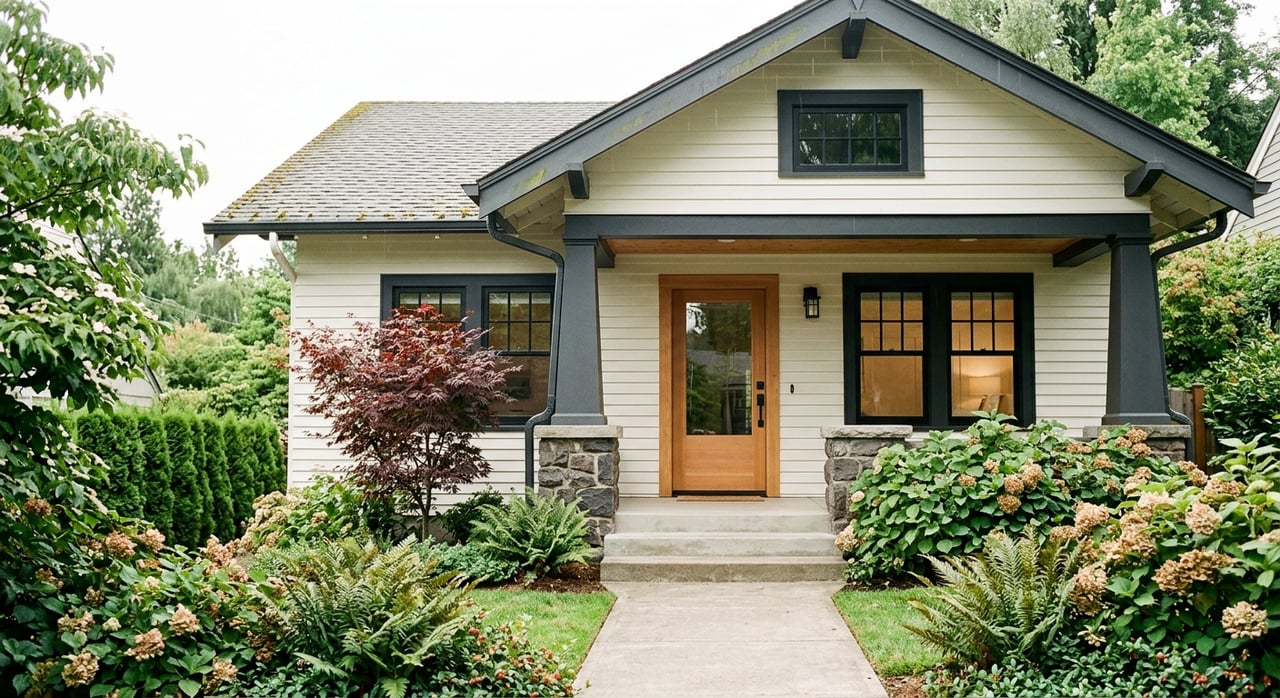
Trying to choose between an older home and a newer one in Salem? You are not alone. In a city where a large share of homes were built decades ago, this decision comes up all the time for buyers who want the right mix of charm, comfort, and financial predictability. The good news is that both options can be a smart fit, depending on your goals, budget, and tolerance for future projects. Let’s dive in.
Why This Choice Matters in Salem
Salem is a market where older homes are a major part of the housing mix, not a small niche. According to the City of Salem, nearly 55% of the city’s housing units were built before 1980, and 13% were built before 1950. That means many buyers will naturally compare older homes with newer builds as they search.
Salem also has a strong historic identity. The city has more than 150 individually listed historic properties and four National Register historic districts. You can find everything from early 1900s bungalows to Queen Anne, Italianate, Art Deco, and Mid-Century Modern architecture, which gives older homes a distinct presence in the local market.
Climate adds another layer to the decision. Salem gets roughly 35 to 45 inches of rain each year, with most of it falling between early October and mid-May. Because of that, roof condition, gutters, drainage, siding, and moisture management should be high on your list whether you buy old or new.
What Older Homes Offer
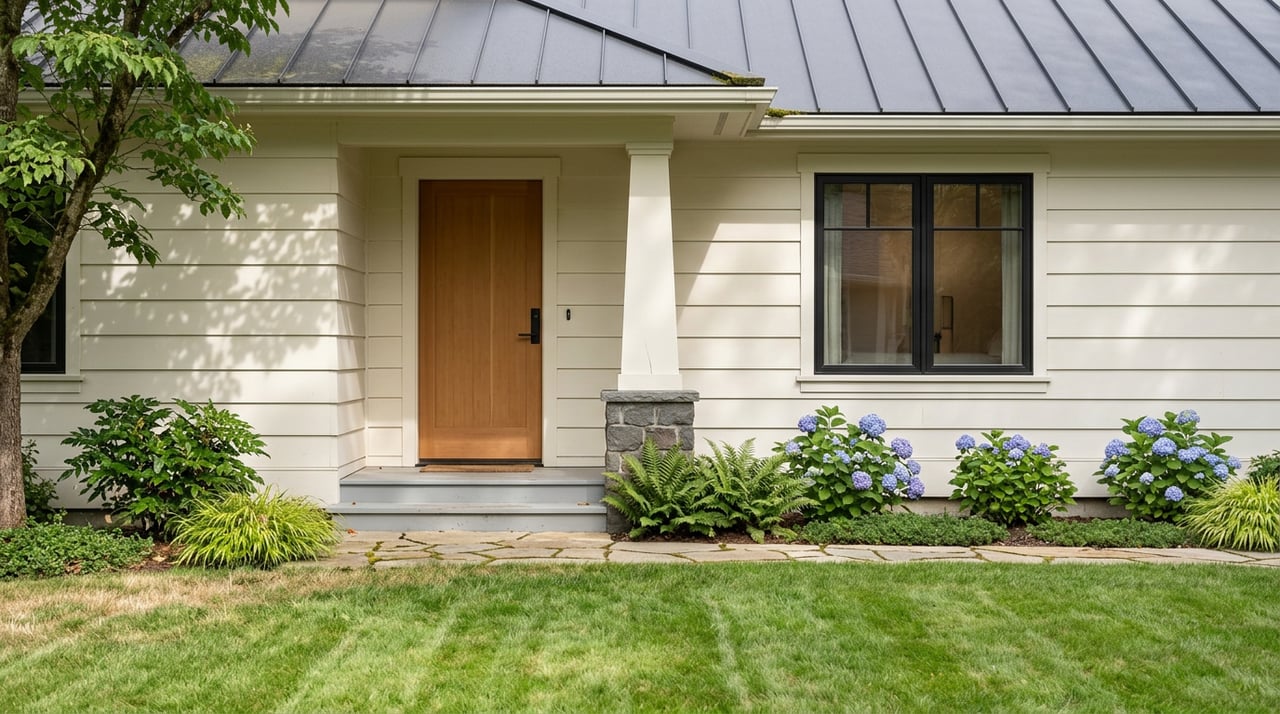
Older homes in Salem often stand out for character and setting. If you love architectural details, mature streetscapes, and homes that feel tied to the city’s history, older properties may be the ones that catch your eye first. In Salem, that can mean bungalows near established areas, pre-war homes with original details, or houses in historic districts with a strong sense of place.
You may also find more architectural variety in older parts of Salem. Rather than rows of similar homes, older neighborhoods often include different styles, lot sizes, and exterior details. For some buyers, that uniqueness matters as much as square footage.
That said, charm does not cancel out maintenance. The City of Salem notes that older homes often need more attention to plumbing, roofing, and electrical wiring. If you are drawn to an older property, it helps to assume that upkeep will play a bigger role in your budget over time.
The Real Tradeoff With Older Homes
The biggest tradeoff is uncertainty. Even when an older home looks well cared for, age can affect systems behind the walls, under the floors, and above the ceiling. You may be buying beauty and personality, but you are also taking on a home with a longer repair history and a greater chance of future updates.
National Census Bureau data adds useful perspective. New owners of homes built before 1950 spent a median of $3,900 per year on upkeep, compared with about $1,500 per year for longtime owners in those same older homes. That does not mean every older Salem home will cost that much, but it does show why buyers should keep extra repair reserves in mind.
Older homes built before 1978 also require extra care because of possible lead-based paint risk. The EPA says homes built before 1978 are more likely to contain lead-based paint, and deteriorating paint or renovation work can create hazardous dust. In Salem, where much of the housing stock predates that year, this is an important question to address early.
Historic District Rules to Know
If the home is in a designated historic district or is individually designated, your future project list may be shaped by local review rules. Salem requires historic design review for exterior alterations in historic districts, including some changes to siding, windows, new construction, and demolition. That can affect both your timeline and your renovation choices.
This does not mean historic homes are a bad buy. It means you should go in with clear expectations. If you want to preserve original details and enjoy the history of the property, that process may feel worthwhile. If you want to quickly change the exterior look, newer construction may offer more flexibility.
Salem also notes that some historic-property owners may have access to incentives, including the Residential Toolbox Grant, special assessment, and in some cases federal historic tax credits. If you are seriously considering a historic home, it is worth understanding both the benefits and the limits before you write an offer.
What Newer Homes Offer
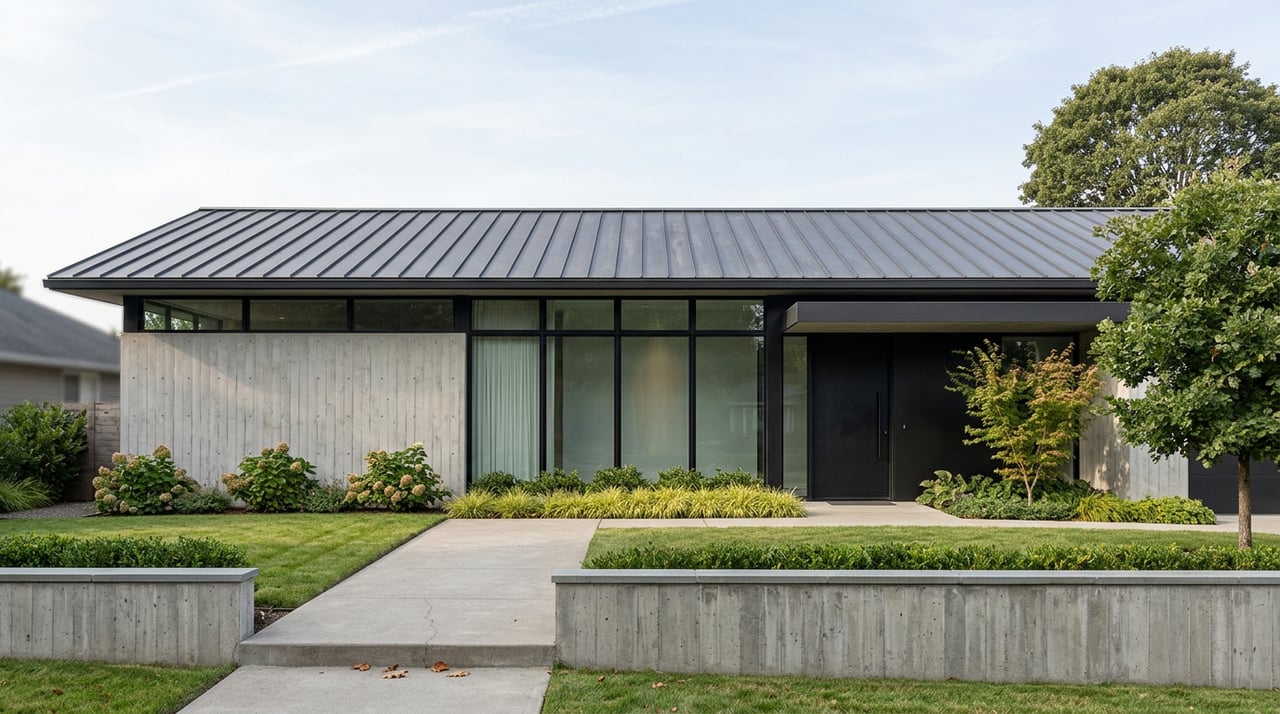
Newer homes in Salem usually appeal to buyers who want a more predictable starting point. They are built under current Oregon code rather than older standards, and the 2023 Oregon Residential Specialty Code includes updated requirements for construction and energy-related features. That gives newer homes a more current baseline for safety and energy performance.
For many buyers, that can mean fewer immediate unknowns. Building systems like roofing, plumbing, electrical, heating, and insulation are often newer simply because the home itself is newer. That does not guarantee a problem-free property, but it can make early ownership feel easier to budget for.
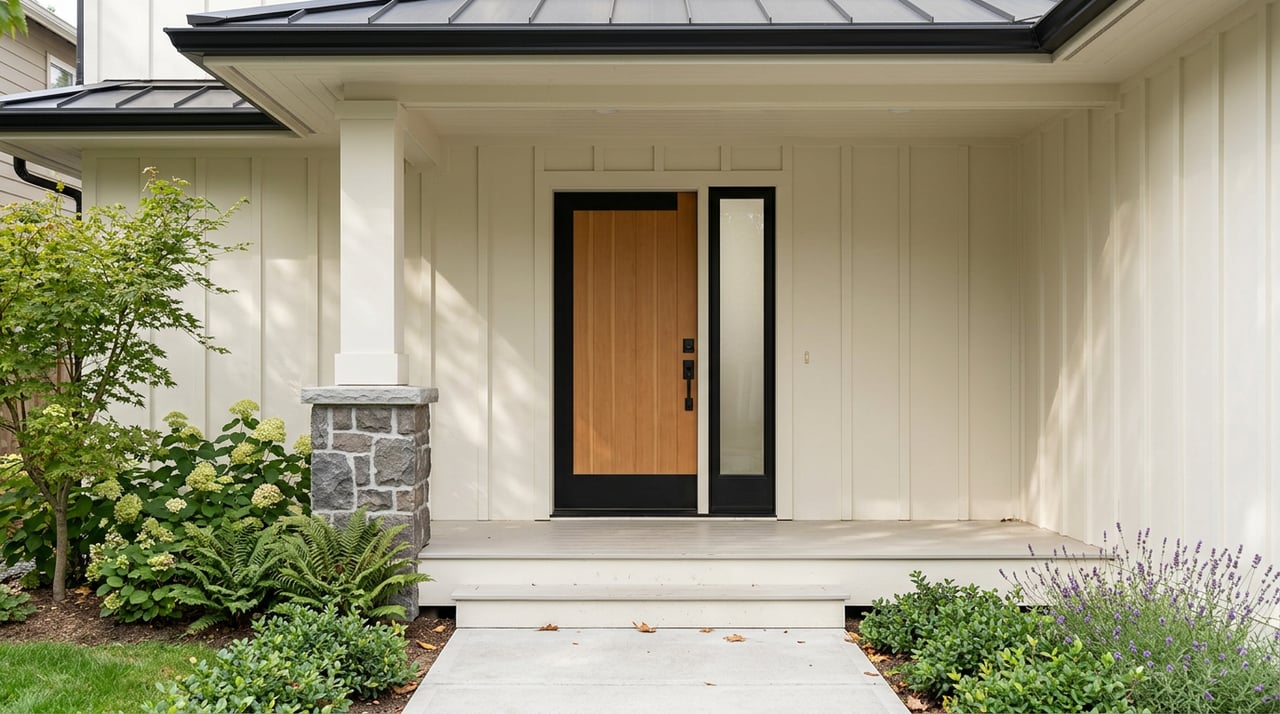
Newer homes may also be a better fit if you want a move-in-ready experience. If your goal is to settle in without planning projects right away, a newer home can offer more convenience and a simpler maintenance picture in the first few years.
Why Newer Does Not Mean Risk-Free
It is easy to assume a newer home needs less scrutiny, but that is not the right approach. A home inspection still matters. The Consumer Financial Protection Bureau advises buyers to schedule an inspection as soon as possible so they can identify major issues early and potentially negotiate repairs or credits if something comes up.
Even with recent construction, you should still pay attention to Salem-specific concerns like drainage, roofing, siding, and moisture control. The local climate does not give newer homes a free pass. Rain exposure makes exterior condition and water management important across the board.
You should also budget for normal homeownership costs. Even if a home feels turnkey today, systems age, maintenance continues, and small issues can turn into bigger ones if ignored.
Older vs. Newer in Salem
The better question is often not which type of home is better overall. It is which set of tradeoffs fits your life best. In Salem, this usually comes down to character versus predictability, and upfront cost versus long-term maintenance exposure.
| Factor | Older Home | Newer Home |
|---|---|---|
| Style and character | Often stronger architectural detail and uniqueness | Usually more contemporary design and finishes |
| Maintenance outlook | Higher chance of repair needs and updates | Fewer immediate unknowns, but still needs upkeep |
| Salem permit considerations | More likely to involve permit-related repair or upgrade work | Built under current code baseline |
| Historic review potential | Possible in designated districts | Less likely to face historic review issues |
| Budget planning | May need a larger reserve for repairs | Often easier to forecast short-term costs |
Questions to Ask Before You Decide
A smart decision starts with asking the right questions. In Salem, your answer should reflect not just the home’s age, but also your comfort with repairs, timelines, and future improvements.
Here are a few practical questions to keep in mind:
- Is the home pre-1978, and if so, has lead information or testing been addressed?
- Is the property in a historic district or individually designated?
- Which major systems have been updated most recently, including the roof, plumbing, electrical, heating and cooling, windows, siding, and foundation?
- Are you planning to remodel soon, and would that work require city permits or historic review?
- How much reserve do you have for unexpected repairs after closing?
These questions can help you compare two homes more clearly. A beautiful older property may still be the right fit if the major systems are in solid shape and you are ready for the added responsibility. A newer home may be the better choice if you want a cleaner maintenance path and fewer near-term surprises.
Use the Inspection Window Wisely
In Salem, the inspection period is one of your most important decision points. This is where you can get a clearer picture of the home’s condition and decide whether the risk level matches your comfort level. That is especially important with older homes, where moisture issues, dry rot, siding condition, and past repairs can have a bigger impact.
The CFPB notes that buyers may be able to negotiate with the seller over repairs or credits, and a satisfactory-inspection contingency may allow a buyer to cancel without penalty if the results are not acceptable. That gives you room to make a thoughtful choice instead of rushing forward on emotion alone.
A local, property-specific strategy matters here. The right offer on an older Salem home may look different from the right offer on a newer one, especially once inspection findings, permit questions, and your post-closing budget are part of the conversation.
So, Should You Buy Older or Newer?
If you value architecture, history, and a strong sense of place, an older Salem home may be a great fit. Just be ready to look closely at condition, permits, possible historic review, and future maintenance costs. Older homes can be rewarding, but they usually ask more from you as an owner.
If you want a simpler starting point, more current building standards, and fewer early surprises, a newer home may make more sense. You still need to inspect carefully, but the budgeting story is often easier at the start.
The best choice is the one that matches your priorities, your risk tolerance, and the kind of homeownership experience you want. If you want help weighing older versus newer homes in Salem and building a smart offer strategy around the tradeoffs, Harcourts Elite is here to guide you with clear advice and local insight.
FAQs
Should buyers in Salem worry more about rain-related issues in older homes?
- Salem’s rainy season makes roof condition, gutters, drainage, siding, and moisture management important in any home, but these issues can be especially important in older properties.
What should buyers ask about older homes in Salem before making an offer?
- You should ask about the age of the home, updates to major systems, possible lead-based paint risk for pre-1978 homes, permit history for major work, and whether the property is in a historic district.
Do historic district homes in Salem have different renovation rules?
- Yes. Salem requires historic design review for certain exterior changes in historic districts, including some work involving siding, windows, new construction, and demolition.
Are newer homes in Salem always the better financial choice?
- Not always. Newer homes often offer a more predictable maintenance picture at the start, but the right financial choice depends on price, condition, your reserve funds, and your long-term plans.
Should buyers still get an inspection on a newer home in Salem?
- Yes. A home inspection helps identify issues early, and buyers may be able to negotiate repairs or credits based on the findings.