Selling your home in Salem means doing more than cleaning up before showings. With hundreds of homes on the market at any given time and buyers paying close attention to listing photos, your home needs to feel bright, cared for, and easy to picture living in. The good news is that effective staging does not have to mean a full redesign. With the right room-by-room plan, you can focus on the updates that matter most and help your home stand out. Let’s dive in.
Why staging matters in Salem
Salem sellers are competing in a market where presentation can make a real difference. At the time of research, there were 895 homes for sale in Salem, with a median list price of $493.9K and a median 46 days on market. When buyers have options, clean presentation and strong photos can help your listing rise above the rest.
National staging research supports that idea. In the 2025 Profile of Home Staging, 83% of buyers’ agents said staging made it easier for buyers to visualize a property as their future home. The same report found that 73% said listing photos were more important or much more important to clients than other presentation tools.
That is why the smartest staging plan usually starts with low-cost improvements. Decluttering, deep cleaning, and curb appeal were the top recommendations from sellers’ agents in the same research. Before you spend money on major updates, make sure your home already looks clean, open, and well maintained.
Start with whole-home basics
Before you stage any single room, tackle the details buyers notice everywhere. A home that feels orderly from top to bottom tends to photograph better and show better. It also helps buyers focus on the space itself instead of your belongings.
Start with these priorities:
- Declutter visible surfaces
- Deep clean floors, windows, kitchens, and baths
- Remove bulky or extra furniture
- Store personal photos and highly specific decor
- Replace burnt-out bulbs and make lighting consistent
- Fix obvious wear that suggests deferred maintenance
If you are short on time or budget, this step gives you the biggest return. According to NAR, decluttering and whole-home cleaning were the most common recommendations from sellers’ agents. In many cases, these basics do more for buyer perception than expensive cosmetic changes.
Focus on curb appeal first
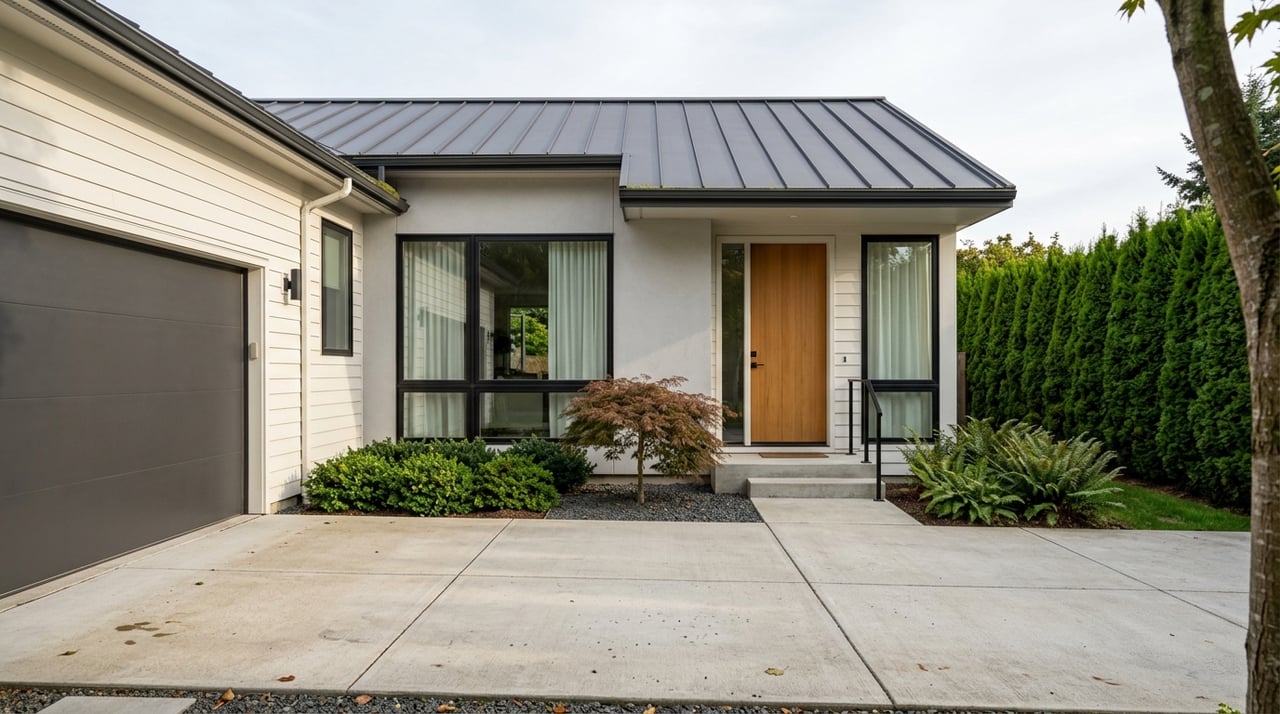
Your exterior sets the tone before a buyer even walks inside. In Salem, that matters even more because the area sees about 40.08 inches of precipitation each year, with wetter fall and winter months. A clean, dry-looking entry can make your home feel more inviting right away.
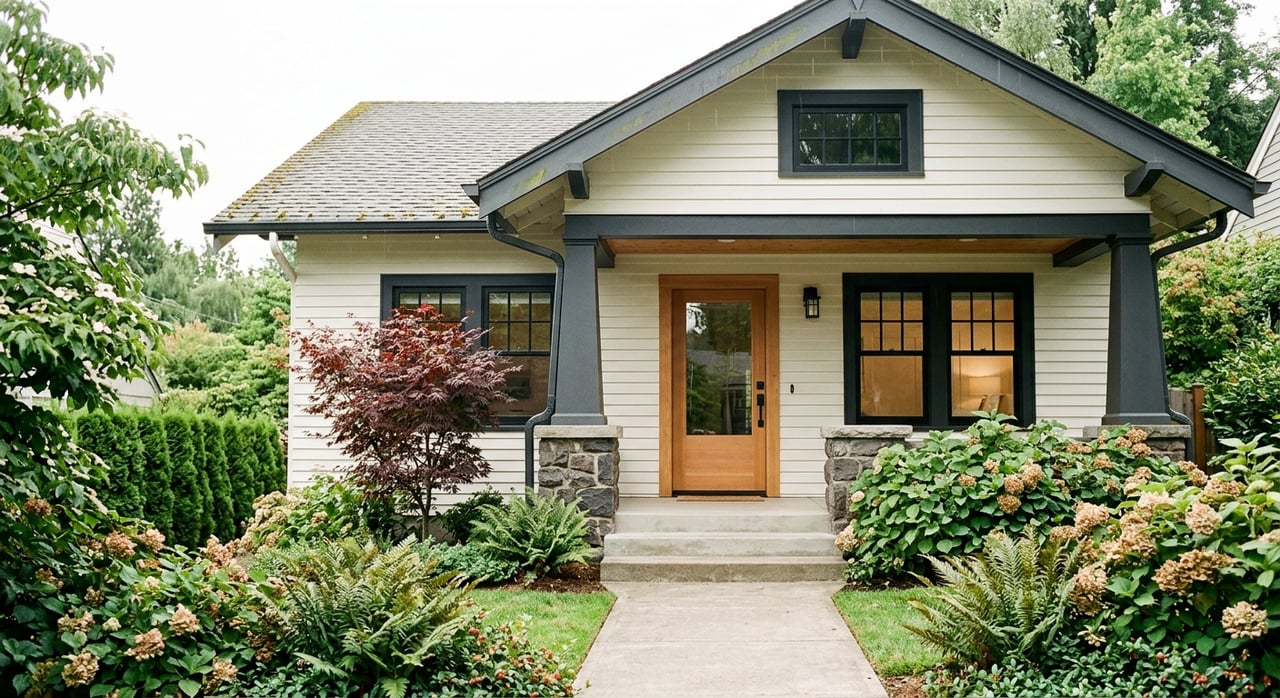
Refresh the front yard and porch
Keep the walkway swept and easy to follow. Add a clean doormat, trim back overgrowth, and make sure the porch or front step feels neat rather than crowded. If you have outdoor furniture, keep it simple and proportional to the space.
For historic Salem homes, aim for cared-for rather than overdone. Salem has more than 150 individually listed historic properties and four National Register Historic Districts, so original exterior details may be part of the home’s appeal. Highlight those details with maintenance and cleanliness instead of trying to disguise them.
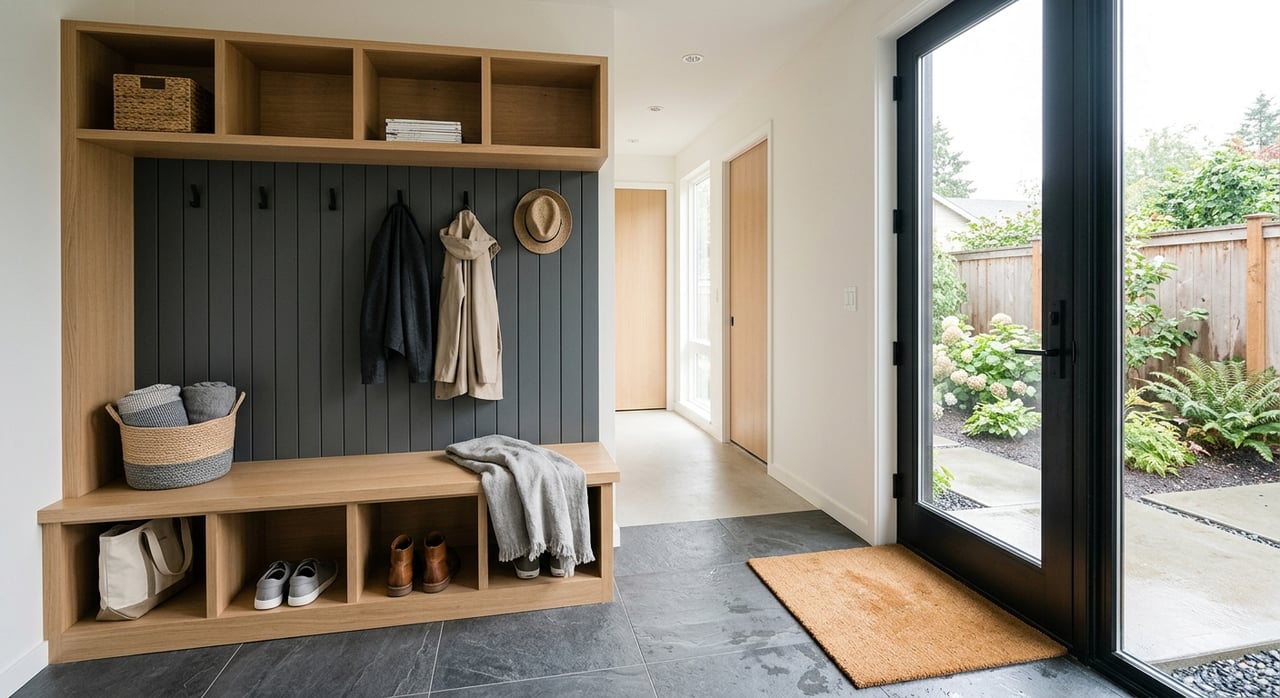
Create a clean, dry entry
Inside the front door, pay attention to what buyers see first. Make sure flooring is clean and dry, especially during rainy months. If you have an entry nook or mudroom, show clear storage for coats and shoes so the space feels practical and organized.
Good lighting matters here too. A bright entry helps your home feel welcoming in person and in photos. Even a small entry can leave a strong first impression when it looks functional and uncluttered.
Stage the living room for flow
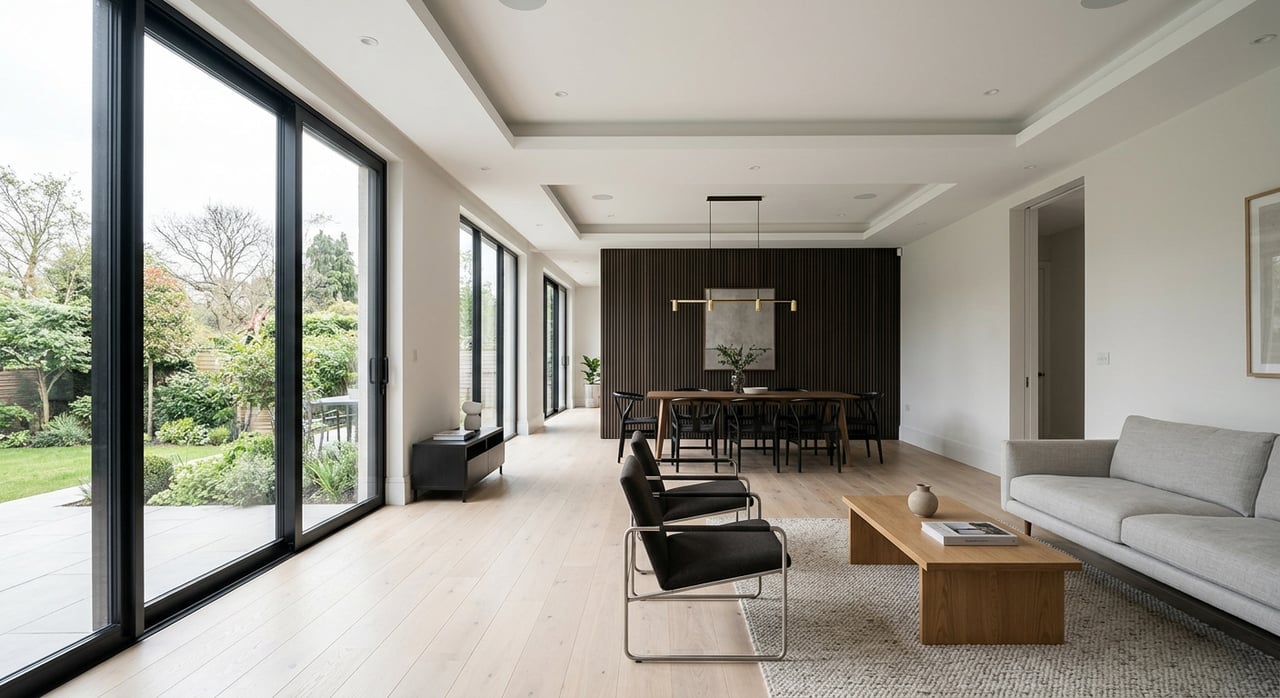
The living room deserves extra attention. NAR found it was the most important room to stage, and it was also the room most commonly staged. If you only have energy for a few spaces, start here.
Remove extra furniture
Too much furniture makes a room feel smaller fast. Take out pieces that block walkways or compete for attention. Your goal is to create clear movement through the room and make the layout easy to understand.
Highlight one focal point
Every living room needs a visual anchor. That could be a fireplace, a large window, or a built-in feature. Arrange seating to support that focal point rather than scattering furniture around the room.
In older Salem homes, this is a chance to showcase original character. Wood trim, built-ins, and fireplaces can become assets when the room is simplified around them. Let those details stand out instead of covering them with heavy decor.
Maximize natural light
Open curtains and keep window treatments light. Bright rooms tend to photograph better, and photos matter to buyers. Clean windows, replace dim bulbs, and use a simple lamp setup to make the room feel open and comfortable.
Make the primary bedroom feel restful
The primary bedroom ranked second in importance in NAR’s staging research. Buyers want this room to feel calm, comfortable, and spacious. Even if the room is not large, it can still feel inviting.
Keep bedding simple
Choose neutral or calm bedding and make the bed the clear centerpiece. Too many pillows, patterns, or personal items can make the room feel busy. A clean, tailored look usually works best.
Clear surfaces and floor space
Nightstands should hold only a few items. Put away clothing, chargers, and anything stored under the bed. If your bedroom is on the smaller side, which can happen in older Salem homes, removing one unnecessary piece of furniture can make a big difference.
Declutter the closet
Buyers often peek into closets. A packed closet makes storage feel limited, even if the closet is a decent size. Remove out-of-season items and leave some breathing room so the storage looks more functional.
Simplify the kitchen
The kitchen ranked third in importance in the staging data, and it remains one of the most influential rooms in buyer decision-making. You do not need a full remodel to make it feel more appealing. In many cases, a bright, clean kitchen goes much further than an expensive update.
Clear the counters
Store small appliances, paper goods, and extra utensils. Leave only a few purposeful items on the counters. The more open counter space buyers see, the more functional the kitchen will feel.
Deep clean every surface
Pay close attention to the sink, faucet, appliance fronts, backsplash, and cabinet faces. Buyers notice signs of grease, crumbs, and buildup quickly. A spotless kitchen gives the impression of consistent care.
Keep styling light
Use minimal decor so the room feels practical rather than staged too heavily. For older Salem homes, focus on cleanliness, good lighting, and clear workspace. Buyers can appreciate charm more easily when the room feels fresh and usable.
Give the dining room a clear purpose
Dining rooms were among the more commonly staged spaces in NAR’s report. Whether you have a separate dining room or a dining area off the kitchen, the key is showing how the space works.
Use the right scale
A table that is too large can make the room feel tight. Choose seating that fits the room and leaves enough space to move around comfortably. Buyers should be able to picture everyday use without the room feeling cramped.
Keep decor minimal
A simple centerpiece is enough. Avoid filling the table with place settings or seasonal decor that distracts from the room itself. If the space is small, show it as either a dining area or a flexible space, depending on what suits the layout best.
Make bathrooms feel spotless
Bathrooms may not be the first room buyers mention, but they strongly affect how well a home seems maintained. In older homes especially, a very clean bathroom can help dated finishes read as cared for rather than neglected.
Remove personal items
Clear off counters, tub edges, and shower shelves. Store away toiletries, medications, and grooming tools. This instantly makes the room feel cleaner and more spacious.
Refresh towels and finishes
Use clean, simple towels and make sure grout and caulk lines are clean. Check mirrors, fixtures, and lighting so the room feels bright and even. Small details matter in a bathroom because buyers view them up close.
Keep secondary bedrooms simple
Guest rooms and children’s bedrooms were staged less often in NAR’s research, so these spaces do not need the same level of attention as your living room, primary bedroom, or kitchen. Still, they should feel functional and easy to understand.
Show size and storage
Use less furniture if the room feels crowded. Buyers want to see floor space and closet access. Keep wall decor and accessories minimal so the room reads clearly in photos.
Consider flexible use
If a spare room works better as an office, hobby room, or general flex space, stage it that way. The goal is not to force a label. It is to show buyers that the room has a useful purpose.
Set up an office or flex room
A home office or flex space can be a strong bonus, especially in online listing photos where buyers are trying to understand how each room functions. This is often a low-cost room to stage.
Use a simple desk, a chair, and good lighting. Keep cords hidden and floor space open. You do not need to overdecorate. A clean setup helps buyers imagine how they might use the room.
Do not forget utility spaces
Yards, patios, garages, and laundry areas can influence buyer perception more than many sellers expect. These spaces do not need much styling, but they do need order.
Tidy the yard and patio
Outdoor areas should look easy to maintain. Sweep hard surfaces, store tools, and remove broken or worn items. In Salem, where wet weather can create mess quickly, a neat patio or backyard helps the property feel manageable.
Organize the garage and laundry area
These spaces should look functional, not full. Group items neatly, clear pathways, and avoid overstuffed shelves. Buyers often use these areas to judge storage and upkeep.
Prioritize photos along with staging
Staging and photography work together. NAR’s research found buyers’ agents placed more importance on listing photos than on physical staging, videos, or virtual tours. That means your staging choices should support how the home looks on camera.
Before photos are taken, walk room by room and remove anything distracting. Check for crooked rugs, visible cords, cluttered counters, and dim corners. If a room looks clean, bright, and easy to understand in photos, you are on the right track.
Decide between DIY and professional help
Not every Salem seller needs full professional staging. Many homes benefit most from a thoughtful DIY approach combined with guidance on decluttering, layout, and presentation. That is often the best place to start.
If you are considering professional staging, NAR reported a median spend of $1,500 for a staging service. By comparison, when a seller’s agent personally staged the home, the median spend was $500. If budget matters, it helps to focus first on the highest-impact rooms and the most visible issues.
A smart staging plan for Salem sellers
If you want a simple order of operations, follow this sequence:
- Declutter and deep clean the whole home
- Improve curb appeal and the entry
- Stage the living room, primary bedroom, and kitchen
- Simplify dining areas, bathrooms, and secondary rooms
- Prepare carefully for listing photos
This approach reflects what staging research says buyers notice most, while also fitting Salem’s local conditions. It is practical, budget-conscious, and especially helpful in a market where buyers are comparing many homes online.
When you are ready to sell, a strong staging plan can help your home feel more polished without losing its personality. That is especially true in Salem, where homes range from historic properties full of character to newer builds that benefit from clean, modern presentation. If you want guidance on what to do first and where to spend wisely, Harcourts Elite can help you create a strategy that fits your home and your sale goals.
FAQs
Does every room need to be staged when selling a Salem home?
- No. If time or budget is limited, start with curb appeal, the living room, primary bedroom, and kitchen. Those areas align most closely with what buyers and agents say matters most.
How should you stage a historic home in Salem?
- Focus on highlighting original details instead of hiding them. In Salem, where there are many historic properties and districts, features like wood trim, built-ins, and fireplaces can add appeal when the home is clean and uncluttered.
How much does professional home staging cost?
- NAR reported a median spend of $1,500 for a staging service. The reported median was $500 when the seller’s agent personally staged the home.
What is the most important room to stage for Salem buyers?
- The living room is the top priority based on NAR’s staging research, followed by the primary bedroom and kitchen.
Why does entryway staging matter in Salem?
- Salem’s wetter fall and winter months make buyers more sensitive to muddy walkways, damp floors, and dark entries. A clean, bright, dry entry helps create a better first impression.