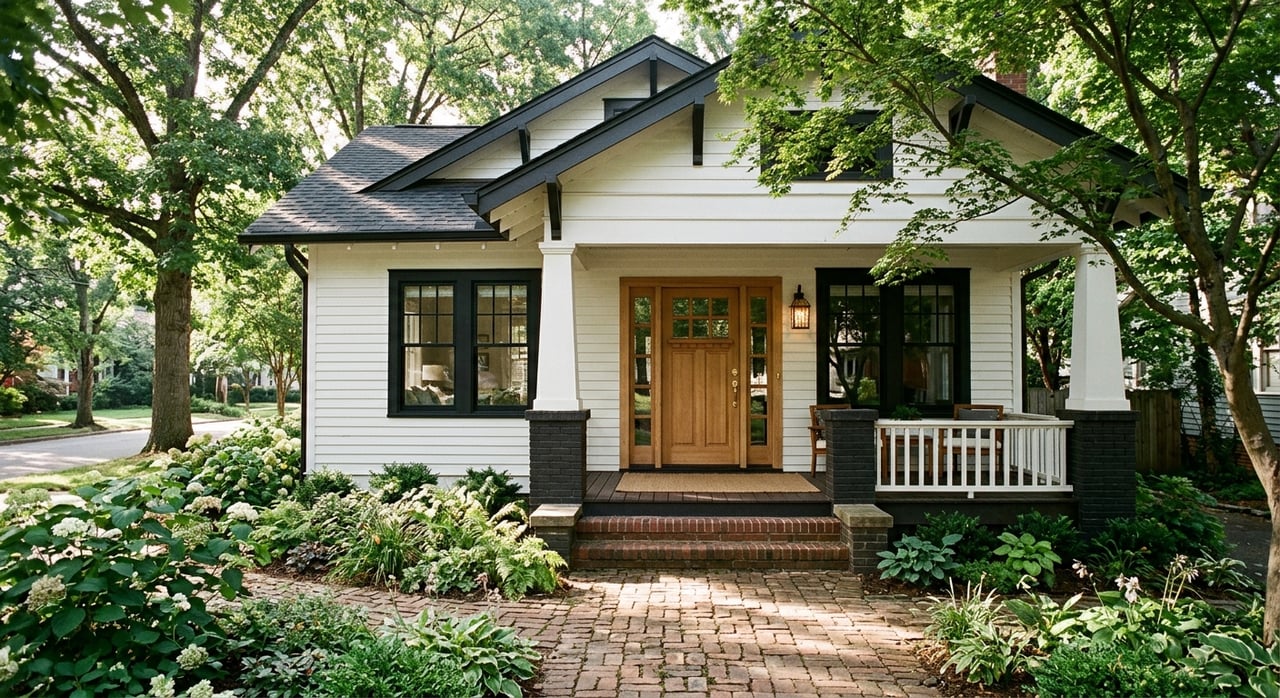
Looking for a home with more personality and a stronger sense of place? Living near historic downtown Albany gives you a different kind of experience than many newer neighborhoods. You get character, access to the riverfront, and a compact downtown with shops, dining, events, and transit connections close by. If you are thinking about buying near the heart of Albany, here is what to know before you make your move.
Why downtown Albany stands out
Historic downtown Albany is more than a row of old buildings. The city describes downtown as Albany’s civic, commercial, and social center, and its three main historic districts, Monteith, Hackleman, and Downtown Commercial, sit near the Willamette River.
That setting shapes the feel of daily life. Instead of a preserved area that only looks historic, downtown remains an active part of the city with businesses, events, trails, and public spaces that people use every day.
What homes near downtown feel like
If you tour homes near historic downtown Albany, you will likely notice a very different housing pattern than in newer parts of town. Homes in and around the historic core tend to feel older, a bit denser, and more urban because they grew out of Albany’s earliest development patterns.
That often means smaller lots, mature streetscapes, and houses with distinct architectural details. For some buyers, that character is the whole appeal. For others, it is important to balance charm with the upkeep that older homes can require.
Historic districts shape local housing
The nearby housing stock is closely tied to Albany’s founding-era neighborhoods. Monteith is the west-side district linked to Albany’s earliest families, and the district includes residential buildings from the early to mid-20th century.
Hackleman covers about 28 city blocks and includes 228 properties with a wide range of styles. You may see Classical Revival, Italianate, Queen Anne, Stick, Craftsman, Eastlake, Colonial Revival, Bungalow, and American Renaissance influences in this area.
The Downtown Commercial District adds even more variety. Its buildings include styles such as Italianate, Queen Anne, Commercial Brick, Art Moderne, and Twentieth Century Period Revival, which helps explain why this part of Albany feels visually layered and distinctive.
Are most homes near downtown older?
In many cases, yes. Albany’s historic districts include resources dating from 1849 through 1945, so buyers near downtown should expect many homes to come from the late 19th or early 20th century.
That age can bring beautiful original details and a strong neighborhood identity. It can also mean you should pay close attention to condition, repairs, and any past updates before you write an offer.
Daily life near historic downtown Albany
One of the biggest draws of living near downtown is convenience. The Albany Downtown Association describes the area as a compact district, and that matters when you want everyday destinations close to home.
The downtown business mix includes antique stores, clothing shops, kids' items, toys, quilt and fabric shops, gifts, pet supplies, plants, art galleries, coffee shops, a bakery, craft breweries, tap houses, and a wine bistro. That variety gives the area an active, local feel without requiring a long drive for every outing.
Community events add energy
Downtown living is not just about buildings and storefronts. Recurring events help create a strong sense of rhythm throughout the year.
Local events promoted by the downtown association include Downtown Restaurant Week, Movies at Monteith, Halloween Trick-or-Treat, Downtown Unwrapped, Small Business Saturday, a free holiday movie, and the Downtown Twice Around Christmas Parade and Community Tree Lighting Ceremony. If you enjoy being close to public events and seasonal activity, this can be a meaningful lifestyle advantage.
Riverfront access matters here
Albany’s location at the meeting point of the Willamette and Calapooia Rivers is part of what makes the area unique. The city has worked to improve connections between downtown and the waterfront, which had long been separated by barriers such as parking lots, Water Avenue, railroad tracks, and limited water access.
Today, river access is more connected to daily life. The Dave Clark Trail runs along the south side of the Willamette River from Monteith Park to Bowman Park, giving nearby residents another option for walking and enjoying outdoor space.
The city also highlights other riverfront parks and urban spaces as part of its park system. For many buyers, this blend of downtown convenience and outdoor access is a big part of the appeal.
Getting around is easier
Transit is another practical benefit of this area. City planning materials note that downtown is served by transit lines and the Linn-Benton Loop bus, and the Amtrak station is a short walk south of the district.
The Linn-Benton Loop provides fareless service between Albany and Corvallis from Monday through Saturday, with connections to Albany Transit. If you value regional access or want options beyond driving, that can add real convenience.
What buyers should watch for
Buying near historic downtown Albany can be rewarding, but it helps to go in with clear expectations. The main tradeoff is often character versus convenience on one side and maintenance and process on the other.
You may gain walkability, river access, and standout architecture. At the same time, older homes often need more careful planning around repairs, updates, and inspections.
Historic review rules
If a home was built before 1946, exterior changes may require historic review. Albany says visible street-facing changes are reviewed by the Landmarks Commission, and substitute materials such as replacement windows, doors, siding, and trim also require review.
Some work is exempt. Interior work, painting, general repair, same-material replacement, and landscaping generally do not require that review process.
For buyers, this does not mean you cannot improve a home. It does mean you should understand the rules early, especially if you plan to make visible exterior updates after closing.
Condition checks are especially important
With older homes, inspection planning becomes even more important. Before making an offer, buyers should take a close look at the condition of windows, siding, roofs, and any additions or major updates.
This step helps you understand both immediate needs and long-term maintenance. It can also help you budget more confidently if you are choosing between a historic home and a newer property elsewhere in Albany.
Floodplain questions near the waterfront
Because Albany developed near the Willamette and Calapooia Rivers, buyers near the waterfront should check parcel-level floodplain information before purchasing. The city provides flood-risk information for individual properties, along with FEMA map guidance and information about flood insurance.
Albany also participates in the National Flood Insurance Program. If a home you like is near the river or in a lower-lying area, it is wise to confirm floodplain status and possible insurance requirements early in the process.
Who may love this area most
Living near historic downtown Albany often works best for buyers who value location and character over newer-home simplicity. If you enjoy being near local businesses, community events, trails, and historic architecture, this part of Albany may be a strong fit.
By contrast, buyers who want larger yards or fewer preservation-related considerations may find newer neighborhoods a better match. Albany’s newer areas generally offer a different layout and fewer constraints tied to pre-1946 homes.
A smart way to compare your options
If you are deciding between downtown-adjacent homes and newer neighborhoods, it helps to compare lifestyle first. Ask yourself how much walkability, architectural character, river access, and event activity matter to your day-to-day routine.
Then compare that with your comfort level around maintenance, review requirements for exterior work, and the possibility of smaller lots. When you look at both sides clearly, the right fit usually becomes easier to spot.
Living near historic downtown Albany can offer a rare mix of charm, convenience, and local identity. If you want help weighing older homes against newer options in Albany, Harcourts Elite can guide you with clear, local insight every step of the way.
FAQs
What is it like living near historic downtown Albany?
- Living near historic downtown Albany often means being close to a compact mix of shops, dining, community events, parks, trails, and transit, with a setting shaped by historic architecture and river access.
Are homes near historic downtown Albany usually older?
- Many are. Albany’s historic districts include homes and buildings dating from 1849 through 1945, especially in the Monteith and Hackleman areas.
Can you remodel a historic home in downtown Albany?
- Yes, but exterior changes to pre-1946 buildings may require historic review, especially for visible street-facing updates and substitute materials like replacement windows, doors, siding, and trim.
Is historic downtown Albany walkable?
- Yes. Downtown is a compact district with restaurants, shops, parks, events, and transit connections close together.
Does the Albany riverfront affect daily life near downtown?
- Yes. The city has improved connections between downtown and the waterfront, and features like the Dave Clark Trail, riverfront parks, and seasonal events at Monteith Riverpark add to the neighborhood experience.
Should buyers check floodplain information near downtown Albany?
- Yes. Buyers near the waterfront should verify parcel-level floodplain information and possible flood insurance requirements before purchasing.